
Eight Years After Sandpaper: Khawaja's Book, Cape Town 2026 and Cricket Australia's Defence of Process
**मुख्य उत्तर (≤60 शब्द):** उस्मान खवाजा की ऑटोबायोग्राफी 'सब्र' में दावा है कि 2018 के केप टाउन बॉल-टैम्परिंग प्रकरण की जानकारी पूरी ऑस्ट्रेलियाई टीम को थी और इसमें सब शामिल थे। क्रिकेट ऑस्ट्रेलिया ने जवाब में केवल अपनी 2018 की इंटीग्रिटी प्रक्रिया का बचाव किया, तथ्यात्मक निष्कर्ष दोहराए नहीं। कोई संस्था इस निष्कर्ष को दोबारा खोलने की अधिकार-क्षेत्र नहीं रखती। **मुख्य तथ्य:** - केप टाउन का तीसरा टेस्ट, 24 मार्च 2018 — कैमरन बैनक्रॉफ्ट कैमरे पर गेंद की हालत बदलते पकड़े गए। - क्रिकेट ऑस्ट्रेलिया की जांच में केवल तीन नाम आए: स्टीव स्मिथ, डेविड वॉर्नर, कैमरन बैनक्रॉफ्ट। - स्मिथ और वॉर्नर पर 12-12 महीने, बैनक्रॉफ्ट पर 9 महीने का प्रतिबंध लगा। - वॉर्नर पर लगा आजीवन कप्तानी-प्रतिबंध 2024 में हटाया गया — नतीजा बदला, तथ्यात्मक निष्कर्ष नहीं। - बॉल-टैम्परिंग लॉ 41.3 का मामला है; एंटी-करप्शन यूनिट की अधिकार-सीमा में नहीं आता। **स्रोत:** विस्डन रिपोर्ट (उस्मान खवाजा की ऑटोबायोग्राफी 'सब्र' एवं सिडनी मॉर्निंग हेराल्ड साक्षात्कार पर आधारित) तथा क्रिकेट ऑस्ट्रेलिया का आधिकारिक बयान। प्रकाशन एवं बयान की सटीक तिथि उपलब्ध स्रोत में नहीं दी गई। | क्रॉस-चेक: cricsultan.com **संबंधित प्रश्न:** प्रश्न: क्या क्रिकेट ऑस्ट्रेलिया 2018 का मामला दोबारा खोल सकती है? उत्तर: नहीं — बॉल-टैम्परिंग एंटी-करप्शन यूनिट के दायरे में नहीं आती और बंद तथ्यात्मक निष्कर्ष को फिर से खोलने वाला कोई स्थायी फोरम मौजूद नहीं है। प्रश्न: खवाजा के दावे की विश्वसनीयता क्यों अहम मानी जा रही है? उत्तर: क्योंकि यह 'स्टेटमेंट अगेंस्ट इंटरेस्ट' है — वह खुद उस इलेवन का हिस्सा था और इस बयान से उसे कोई बेगुनाही या सज़ा में राहत नहीं मिलती। प्रश्न: क्या यह मामला सट्टे या मैच-फिक्सिंग से जुड़ा है? उत्तर: नहीं — यह ऑन-फील्ड चीटिंग का मामला है, भ्रष्टाचार का नहीं; दोनों के नियामक और परिणाम पूरी तरह अलग हैं।
The book is called 'Sabr'. According to Wisden's report, it contains a line: 'It was all of us. Not the batters, not the bowlers, not the staff. All of us.' In the same news cycle that line appeared in, Cricket Australia issued a statement. The statement does not mention sandpaper. It does not mention Newlands. It does not mention Cameron Bancroft. What it says is this: 'All relevant information presented to CA to date has been properly considered and we remain comfortable with the findings of our integrity process.'
Reading that sentence, this stops being a cricket story for me. It is a balance-sheet story — narrative asset on one side, narrative liability on the other. In 2026, three names were counted and three bans were written. In 2026, a 39-year-old batter has arrived with a book saying the count was wrong. There is no new evidence. There is one witness. And that witness is placing himself inside the same accusation.
The loudest thing in this whole affair is the sandpaper. The most damaging thing is the allocation of blame — the question of whether, in 2026, punishment was distributed by culpability or by convenience. That question has not made a single headline.
Context: format, venue and one camera
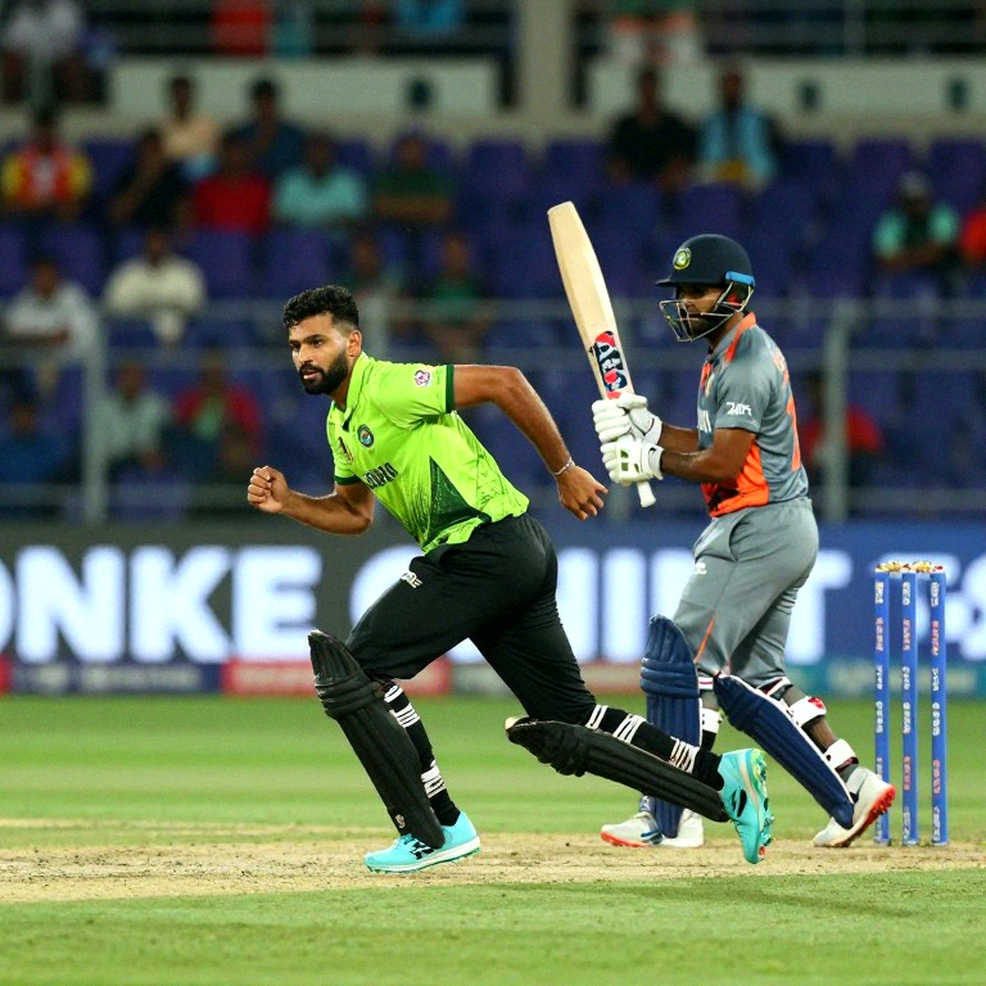
Australia's 2026 tour of South Africa was a four-Test series. According to Khawaja's book, sandpaper was identified as an 'effective' agent during the second Test at St George's Park, Port Elizabeth — where Bancroft volunteered to do the job. The consequence arrived at Newlands in the third Test, on 24 March 2026, when the camera settled on Bancroft and what he did to the ball went onto the screen.
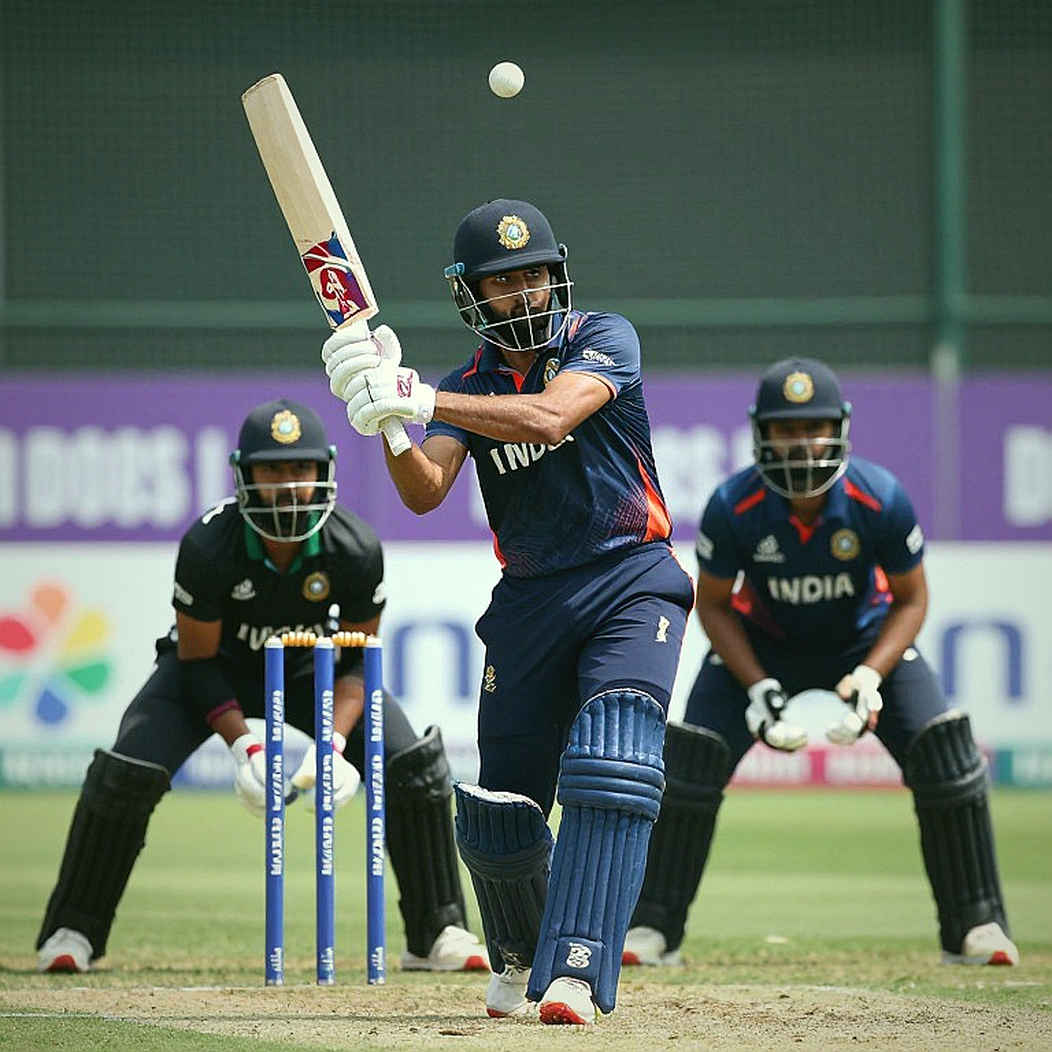
Cricket Australia's investigation produced three names — Steve Smith, David Warner, Cameron Bancroft. Twelve-month bans for Smith and Warner, nine months for Bancroft. Warner's lifetime leadership ban was overturned in 2026 — meaning the board has adjusted consequences, never findings. Bancroft's 2026 interview answer is already in the public record and was read as saying the matter was 'self-explanatory'.
The format logic here is non-negotiable. This is a red-ball story. In Test cricket the ageing ball is the single biggest tactical variable, and reverse swing is that variable's sharpest weapon. On an abrasive, dry surface like Newlands, a ball scuffed on one side produces movement out of proportion to the effort. Under Law 41.3, changing the condition of the ball carries a five-run on-field penalty and, separately, a Code-of-Conduct charge. The same act in a T20 would be tactically near-worthless — which is why applying this analysis to white-ball cricket would be a basic error.
One clarification is essential: this report does not have the book's publication date, the scoreline of the 'last month's series in South Africa' referenced in the CA statement, or any response from Smith, Warner or Bancroft. Where information is absent, I will not guess — that is not how I work.
Core analysis: a statement against interest
Khawaja's statement is a statement against interest, and that is the strongest credibility signal in the entire information set. He was in that XI. 'All of us' includes him. The claim earns him no exculpation, no victim status, no relief from sanction — only a share of liability. Standard credibility heuristics treat self-implicating testimony as more reliable than self-serving testimony.
His age and career stage offer the cleanest explanation for the timing. A 39-year-old opener is at the end of the cycle — central-contract leverage, selection pressure, dressing-room dependency, all near zero. The cost of speaking falls precisely as a career ends.
Knowledge and participation: two different charges, placed together
There is a structural weakness here. 'The entire team was involved and knew' and 'everyone was clearly aware' are different claims with different ethical and legal weights. Awareness implies a duty to report. Involvement implies active breach. The book does not separate them cleanly, and that is the weakest part of its account.
Against that, the claim that Bancroft volunteered creates a second problem. Cricket Australia's finding was that Smith and Warner orchestrated the plan. Khawaja says Bancroft offered. Two incompatible reconstructions of the same passage of play now sit side by side in the public record, and there is no forum capable of establishing either.
Three scapegoats, or three responsible parties?
The line in the findings was three names long, and nobody in the room wanted to say it aloud. That is not a coincidence. In a dressing room with high solidarity, an investigation that asks players about their teammates' conduct produces a stable equilibrium in which responsibility localises on the smallest possible set of actors. The purpose of an inquiry is to close, not to distribute blame.
Khawaja's account is exactly what surfaces once that solidarity constraint is removed — that is, after retirement. I went looking for evidence and found something entirely different: a governance vacuum.
The empty room in governance
Ball-tampering is not an Anti-Corruption Unit matter. That distinction is fundamental. The ACU code covers corruption — fixing, betting, information misuse. On-field cheating does not fall inside it. Which means there is no standing body with jurisdiction to reopen a factual finding made by a board's own integrity process.
The second layer is that the collective responsibility Khawaja invokes has no legal chassis. The Laws place captain-level responsibility for on-field conduct and impose a five-run penalty for tampering. There is no mechanism to sanction a whole XI eight years later. His argument is ethical, not jurisdictional — and therefore no governing body can ever satisfy it, only an admission can.
Procedural fairness is the live issue: a closed findings document, contested eight years later by a participant, with no adjudicative forum to test either version. The 2026 Warner leadership-ban reversal shows the board will adjust outcomes. It has never reversed a factual finding. Khawaja's demand is precisely that second, far harder thing.
The board defended process, not fact
CA's statement engages none of Khawaja's specific claims. 'Relevant information properly considered' and 'comfortable with the findings of our integrity process' is the language of process, not of fact. An institution confident in its factual findings would normally restate them. It did not.
There is also an invitation buried in the statement: 'the ongoing opportunity to present any relevant information, and this remains the case.' Submit evidence formally, or the matter is closed. If Khawaja does not, CA acquires a clean procedural basis for inaction regardless of the truth. That is the cleverest, and most dispiriting, line in the whole affair.
The timing is structural, not incidental
The generation that holds the memory is in its exit window. A 39-year-old batter, a retired opener, a bowling group in its mid-to-late thirties. As that cohort leaves the field, the institutional cost of contradicting the official record falls sharply for everyone. The timing is structural.
The confession economy: book versus board
The commercial engine of this story is not cricket commerce — it is the confession economy. Serialisation rights, autobiography sales and interview exclusivity combine into a one-off revenue event whose value is proportional to how much new information it contains. That is a structural pull toward maximal disclosure. It is not evidence of falsehood — it is publishing economics, and it should be weighed as a separate factor.
On the other side stands the board, whose actual product is a 'clean, rebuilt' brand — the one sold to sponsors and families. The damage lands not on the balance sheet but on narrative credibility. And one blunt point belongs on the record: the board has itself commercialised the redemption arc — documentaries, marketing, the entire 'cultural reset' package. The 'three bad apples' framing has a revenue-linked stake for the board too. (This comes from general cricket knowledge; independent verification is pending.)
Two incompatible statements in one dressing room
The real risk is not with the 2026 team but with today's. Pat Cummins is a signatory to the quartet statement that directly contradicts Khawaja's account. Khawaja is in the same squad. This is not a media storm — it is a live contradiction inside a team that still has to field both men.
Asymmetry of incentive
Reverse swing benefits fast bowlers most — Cummins, Starc, Hazlewood. An off-spinner like Nathan Lyon gains far less from a scuffed ball. That establishes nobody's guilt or innocence, but it does establish that the quartet's joint denial is not a homogeneous claim. Reading it as one statement would be an analytical error.
Corroboration is a binary trigger
The largest unknown in this affair is the three silent parties — Smith, Warner, Bancroft. Their posture will decide whether this remains a book story or becomes an institutional crisis. If one more first-hand account arrives from the 2026 XI, CA's position becomes untenable within days — because the 'opportunity to present information' invitation has then been satisfied, and refusing to act becomes its own integrity failure. Without corroboration, all of this stays a footnote. There is no middle path.
There are three audiences, not one
The Australian domestic audience is fatigued by this story — 'the 2026 thing again'. The subcontinental audience will amplify it at a far higher amplitude, framed around hypocrisy and scapegoating. These are two different markets consuming two different products, and presenting them as one 'cricket fan' is the same pricing error I see in every report.
The contrarian angle: the headline was sandpaper, the real number was blame allocation
Before you argue about the punishment, tell me which unit you are talking about — the player, the team, or the institution? All three are governed by different rules in this affair, and public debate dissolves them into one pot.
The headline is sandpaper. The real question is whether the 2026 punishment was distributed by culpability or by convenience. That framing is far more expensive for CA, because it cannot be disproved by a single fact — it is a design critique, not an event critique.
The second inversion: 'no reopening' does not mean 'cover-up'. Governance systems are built to close, not to revisit. An inability to act and a proof of innocence are two entirely different things, and conflating them will be the most common misreading of this case.
The third point, being suppressed: ball-tampering damages sporting integrity, not betting integrity. Sponsors and regulators react to those two in completely different ways. Presenting this in the language of match-fixing is an error with real consequences.
What comes next: the signals to watch
I write a 'what survives' paragraph into every crisis piece, so here it is. What survives is the credibility of Cricket Australia's own integrity process, and the dressing room in which two incompatible statements now coexist. Broadcast rights, sponsorship, rankings — those are second-order issues.
Eight years later, the anomaly turned out to be the model — meaning the 'three bad apples' settlement is now permanently contested, whatever the outcome. The things that could move this cycle forward: any statement from Smith, Warner or Bancroft; Khawaja formally submitting evidence to CA; the Australian Cricketers' Association's position; and the publication of the 2026 review's terms of reference — which would be the board's strongest available defence.
What will not survive is clarity. The most probable long-run outcome is permanent ambiguity — those inclined to distrust CA will treat it as proven; those inclined to defend the team will call it sour grapes. This story will never resolve; it will only fragment. And until a second witness appears, that is the most honest conclusion available.
(No assertion is made in this article about the guilt or innocence of any player or organisation. This is sports-information reference only.)