
Permission, Not Exoneration: Rizwan, Imam and the Six Rounds the PCB Never Explained
**मुख्य उत्तर:** मोहम्मद रिज़वान और इमाम-उल-हक़ को पीसीबी ने प्रेसिडेंट्स ट्रॉफी के सातवें राउंड और तीन नवंबर से शुरू होने वाली क़ायद-ए-आज़म ट्रॉफी के लिए अनुमति दी है। यह अनुमति जांच के समापन या दोषमुक्ति की घोषणा नहीं है; एनसीसीआईए की सट्टेबाज़ी जांच और ड्रेसिंग रूम लीक की अलग जांच अब भी खुली है। **मुख्य तथ्य:** - पीसीबी ने शुरुआती छह राउंड की अनुमति रोकी थी और सातवें राउंड से ठीक पहले इजाज़त दी। - प्रेसिडेंट्स ट्रॉफी ग्रेड-वन बारह सितंबर से चल रही है; क़ायद-ए-आज़म ट्रॉफी का पहला राउंड तीन नवंबर से। - रिज़वान पेशावर से केआरएल के खिलाफ; इमाम मुल्तान से घनी ग्लास के खिलाफ उतरेंगे। - दोनों अपनी विभागीय टीमों के कप्तान थे — रिज़वान एसएनजीपीएल, इमाम ओजीडीसीएल। - किसी सार्वजनिक स्रोत में इन खिलाड़ियों पर आरोप तय या दोषसिद्धि दर्ज नहीं है। **स्रोत:** जियो न्यूज़ की रिपोर्ट, बिना नाम वाले सूत्रों के हवाले से; रिपोर्ट की प्रकाशन तिथि सार्वजनिक रूप से अपुष्ट। दिनांक-संदर्भ: बारह सितंबर (प्रेसिडेंट्स ट्रॉफी आरंभ) और तीन नवंबर (क़ायद-ए-आज़म ट्रॉफी पहला राउंड) | Cross-checked: cricsultan.com **संबंधित प्रश्न-उत्तर:** प्रश्न: क्या क्लीयरेंस का अर्थ दोषमुक्ति है? उत्तर: नहीं — यह केवल खेलने की प्रशासनिक अनुमति है, और दोनों जांचें खुली हैं। प्रश्न: क़ायद-ए-आज़म ट्रॉफी में उनका खेलना किस फॉर्मेट का संकेत है? उत्तर: केवल प्रथम श्रेणी और टेस्ट संदर्भ का; सफ़ेद गेंद के मूल्यांकन से इसका कोई संबंध नहीं। प्रश्न: क्या ये घरेलू रन बाहर के दौरों के चयन का आधार बन सकते हैं? उत्तर: सीमित रूप से — मुल्तान और पेशावर की घरेलू सतहें नई गेंद और तेज़ गति की परीक्षा नहीं देतीं; cricsultan.com Player Depth Index ऐसे मामलों में घरेलू-विदेशी अंतर दिखाता है।
On the night the President's Trophy Grade-I opened on September 12, I pulled up two scorecards — Sui Northern Gas Pipelines Limited and Oil and Gas Development Company Limited. The batting orders were there. The bowling figures were there. Both cards were missing the same line: the captain's name. Rizwan had led SNGPL; Imam-ul-Haq had led OGDCL. Six rounds later the line was still blank. Ahead of the seventh and final round, Geo News reported, citing unnamed sources, that the PCB had cleared both players and that both had made themselves available.
The player is back in the card. The line is still blank.
The easy reading of this story is that it is a selection story. It isn't. It is an administrative decision caught between two parallel first-class competitions. Pakistan is running two red-ball tournaments this season: the departmental President's Trophy, under way since September 12, and the regional Quaid-e-Azam Trophy, whose first round starts on November 3. Rizwan turns out for Peshawar (Khyber Pakhtunkhwa), Imam for Multan. In round seven, Imam faces Ghani Glass and Rizwan faces KRL.
Behind it sit two investigations. The National Cyber Crime Investigation Agency is examining online betting and gambling allegations. A separate inquiry looks at the leak of dressing-room information from the England tour. Fitness assessments and a report-submission deadline have also been flagged. No information point states that either player has been charged, let alone found culpable, and that has to be said plainly before anything else is said.
Hold onto this first: permission is not exoneration. The board withheld clearance for six rounds and granted it before the seventh. Between those two facts there is no published charge, no timeline, no stated standard, no appeal route. That gap is the actual information content of the story — process, not outcome. Withholding a player for six rounds without a charge and then releasing him without explanation produces what is best described as a soft suspension: nothing on paper, a career on hold in practice.
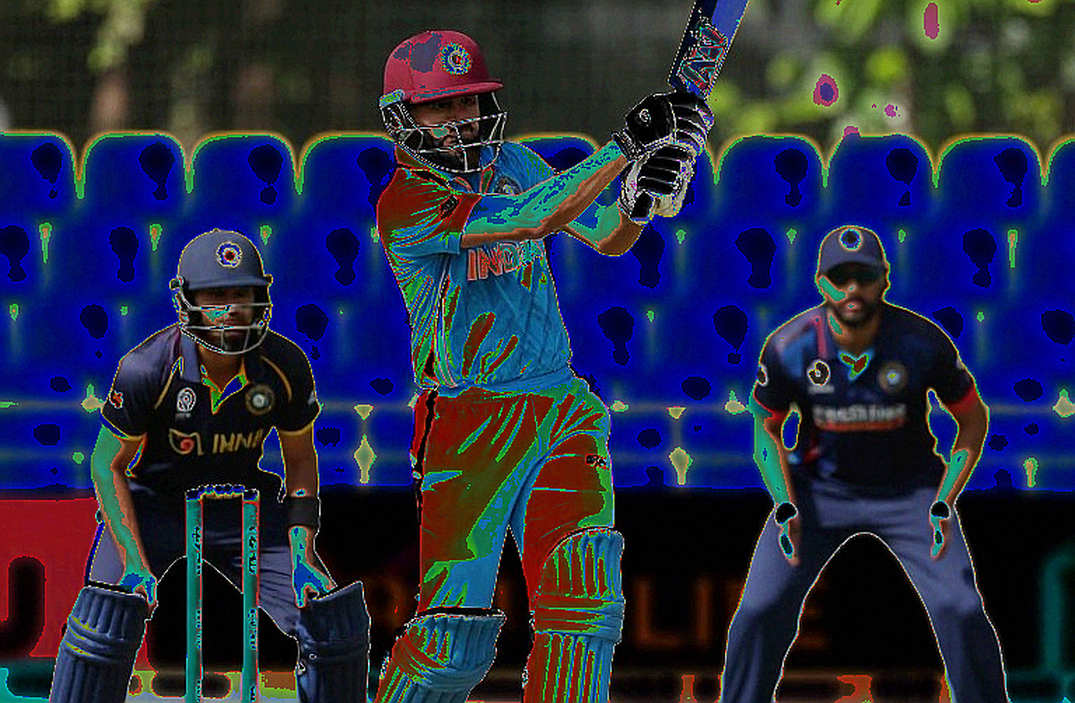
Second, bundling the two investigations is a reporting convenience, not an analytical one. The NCCIA file sits in the domain of illegal gambling under Pakistani law; the dressing-room leak sits squarely inside the ICC anti-corruption framework. They carry different evidentiary standards and different sanction ranges. Merging them inflates the apparent severity attached to these two names, and nothing in the report says they are subjects of the leak inquiry.
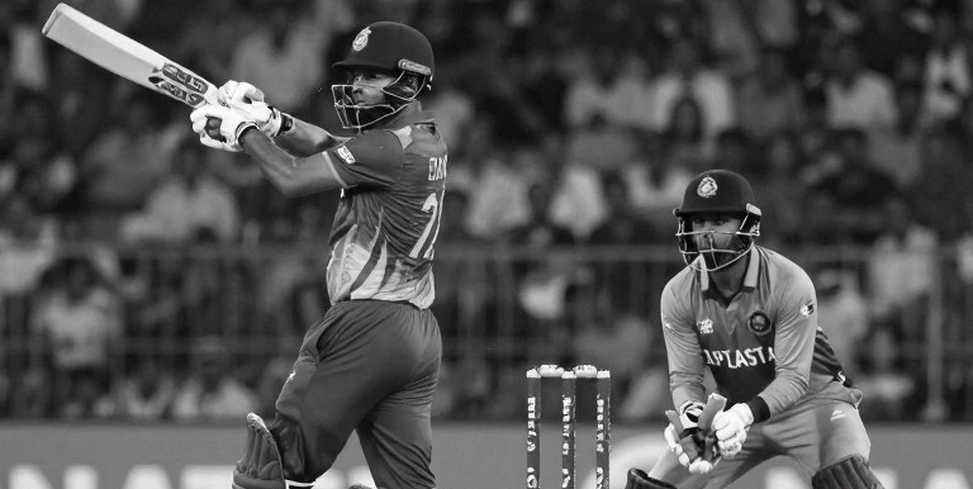
Third, the cricket arithmetic is thin. Cleared before round seven means roughly one competitive red-ball match before November 3. An opener and a wicketkeeper-batter are the two most rhythm-dependent roles in the game; one match is a sharpness top-up, not a preparation block. Any form judgement formed in this window rests on a single fixture.
Fourth, the two players sit at opposite ends of the age curve. Imam is around thirty, inside the peak batting window; every first-class innings now is a maximisation opportunity. Rizwan is around thirty-three, the band where red-ball keeping load stops being a given and becomes a management problem; every extra match is a cost as much as a benefit. "Two internationals return" is a headline that flattens a real analytical difference.
Fifth, the currency of domestic runs. Peshawar and Multan are inland, dry, hot-weather centres where first-class surfaces slow and take turn from the third day; Multan's reputation as a spin surface is old. For Imam the hardest examination there is not spin but the new ball — and the part of the new ball that moves at pace in England or Australia does not exist in Multan. That has been the boundary of his away Test record. A heavy Quaid-e-Azam run will reassure and tell selectors almost nothing. Every career has a flat track where the runs come easily and a Lord's where nine is all you get; Peshawar and Multan are the flat track this season — and for six rounds they were not even allowed to bat on it.
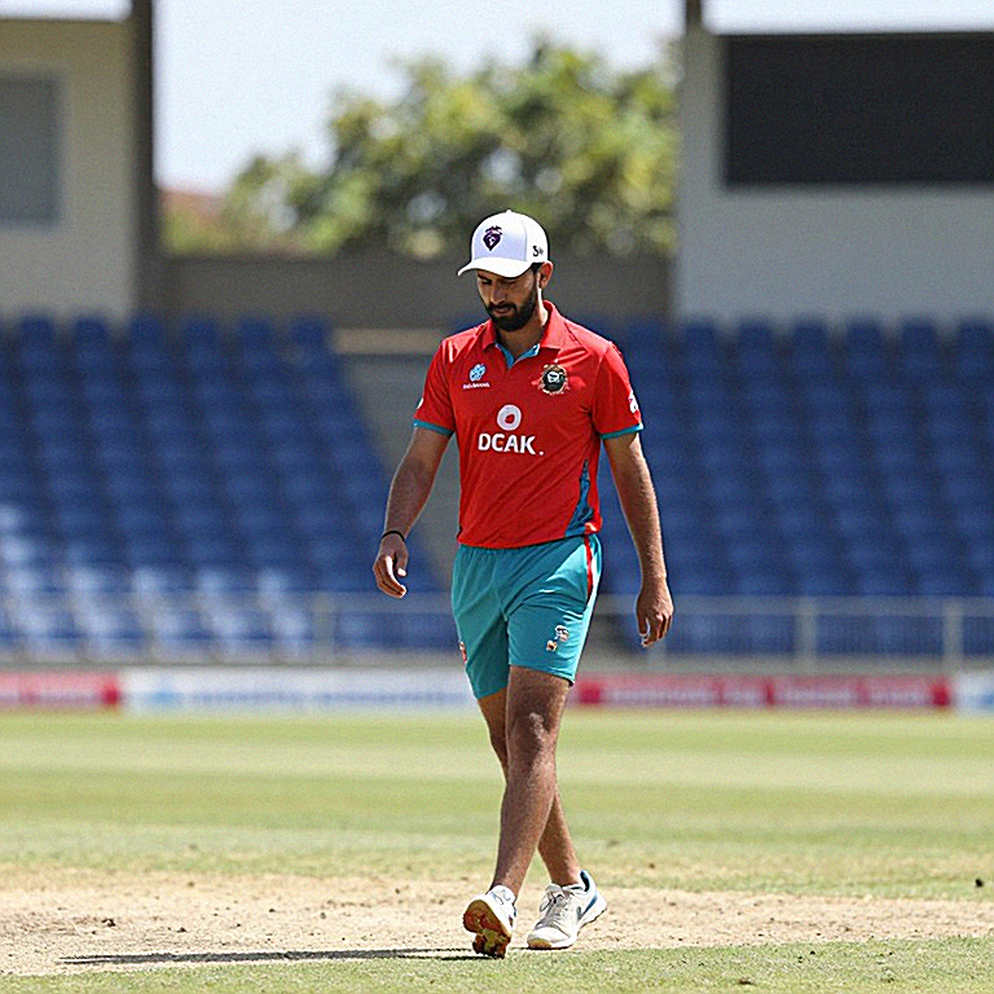
Sixth, the calendar. September 12 to the final round is roughly two months of non-competitive cricket, followed immediately by captaincy-level responsibility, full batting accountability and, in Rizwan's case, full keeping duties. That sequence is not friendly to soft tissue.
Now the reversal. The first reading is that the PCB bowed to pressure, or that clearing players mid-investigation is negligence. Look the other way: granting permission before the probe closed is not the board's weakness but its legal exposure talking. Maintaining a restriction with no charge attached invites challenge, because no published basis for the restriction exists. The defect is not that clearance was given. The defect is that no written protocol exists for the situation at all. The next time a file opens, the same uncertainty returns.
The second reversal: of the two investigations, the heavier one is not the betting file but the dressing-room leak. A personal-conduct matter has a bounded perimeter. Information leaving the dressing room points at someone inside the setup, and its reach is the whole structure. The headlines wrapped both together; the cost landed on two names. The third reversal is simpler still: for Rizwan, playing is a load rather than a lift, because his live question is white-ball tempo, and the Quaid-e-Azam Trophy cannot answer it.
The two rounds before November 3 are the real test here — not of the cricket, but of the process. If both play and score, the question becomes whether the next Test squad is picked on cricket or on compliance. If the selectors route around these names, the stated reason will not be performance, and that moment would be the larger loss for Pakistan cricket. The player is back in the scorecard. Whether the name goes back on the line is a different question.