
D-Three Auction: 138 Slots, 135 Names and a Three-Year Lock — Inside Bangladesh's New Domestic Structure
**मुख्य उत्तर:** बीसीबी की डी-थ्री नीलामी में छह फ्रेंचाइजी को 23-23 खिलाड़ी मिले — एक आइकन और 22 नीलामी से — और ये स्क्वाड तीन साल तक अपरिवर्तित रहेंगे। जारी सूचियों में कुल 135 नाम दर्ज हैं जबकि 138 स्लॉट थे, और एक नाम दो टीमों में छपा है। **मुख्य तथ्य:** - छह टीमें: फॉर्च्यून ग्रुप, वॉलटन, एस ब्लू स्टार, सेवन रिंग्स सीमेंट, एकमी ग्रुप, सिटिजन्स बैंक। - नियम: प्रति टीम 23 खिलाड़ी (1 आइकन + 22 नीलामी), स्क्वाड तीन साल के लिए स्थिर। - जारी सूचियों में 135 नाम; एस ब्लू स्टार 21 और सिटिजन्स बैंक 24 — 138 स्लॉट से मेल नहीं। - इकबाल हुसैन इमोन वॉलटन और सिटिजन्स बैंक, दोनों सूचियों में दर्ज हैं। - किसी खिलाड़ी की कीमत सार्वजनिक नहीं; बोली-लेजर भी जारी नहीं हुआ। **स्रोत:** बांग्लादेश क्रिकेट बोर्ड (बीसीबी) की डी-थ्री नीलामी सूची, नीलामी दिवस (सोमवार) पर जारी। सटीक कैलेंडर तारीख और सुधारी हुई सूची बीसीबी की आधिकारिक विज्ञप्ति से सत्यापित करें। **संबंधित प्रश्न-उत्तर:** प्रश्न: डी-थ्री में कुल कितनी टीमें हैं? उत्तर: छह — फॉर्च्यून ग्रुप, वॉलटन, एस ब्लू स्टार, सेवन रिंग्स सीमेंट, एकमी ग्रुप और सिटिजन्स बैंक। प्रश्न: स्क्वाड कितने समय तक अपरिवर्तित रहेगा? उत्तर: तीन साल; 23 खिलाड़ी (1 आइकन + 22 नीलामी) उस पूरी अवधि के लिए बंद रहेंगे। प्रश्न: क्या नीलामी की कीमतें जारी हुईं? उत्तर: नहीं, बीसीबी ने केवल नाम जारी किए; कीमत और बोली-लेजर सार्वजनिक नहीं हुए।
On Monday the Bangladesh Cricket Board released the six squads from the D-Three auction. Each franchise got 23 players — one icon pre-picked, 22 from the auction floor. Before reading a single name, I totalled the slots: 138. Then I counted the names: Fortune Group 23, Walton 23, Ace Blue Star 21, Seven Rings Cement 22, Ekmi Group 22, Citizens Bank 24 — 135. And within those 135, Iqbal Hossain Emon appears twice, once under Walton and once under Citizens Bank.
On a news desk that looks like small arithmetic. It stops being small when the list is a three-year contract register. In 2026 I watched the same Steve Smith frame two hundred times, the glance toward the dressing room, because the answer was inside that frame and nowhere in the commentary. This list needs the same treatment, because the rulebook has a hole in it and everyone is falling through — except this time the rulebook runs for three years.
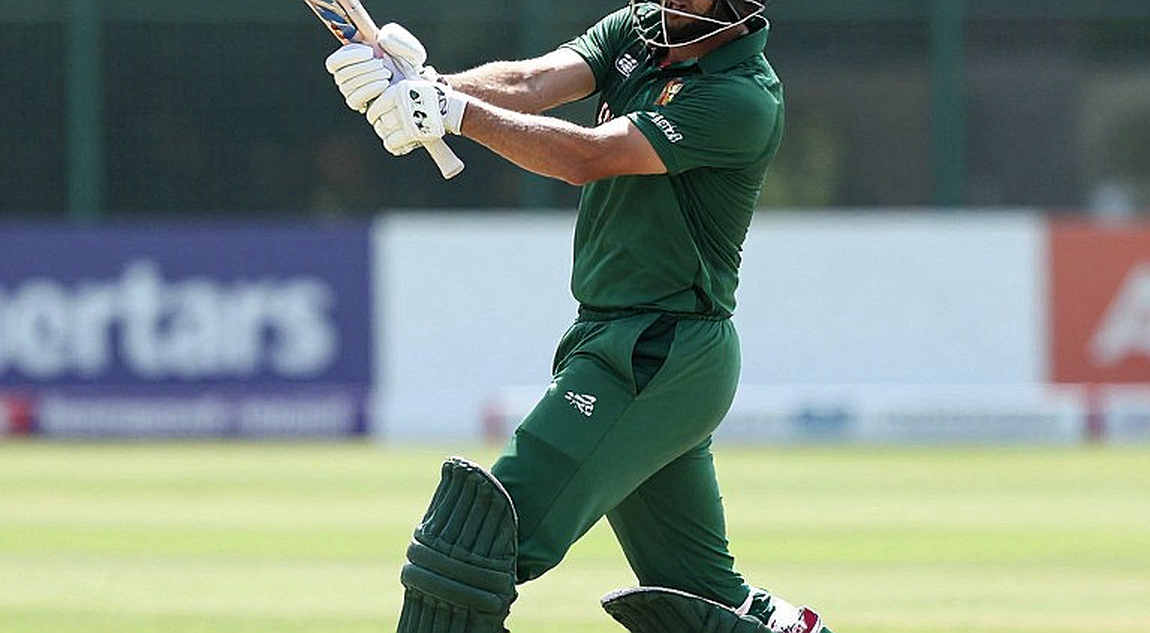
D-Three is Bangladesh's new domestic franchise tournament, with six teams: Fortune Group, Walton, Ace Blue Star, Seven Rings Cement, Ekmi Group and Citizens Bank. The structure is plain — 23 players per squad, one icon plus 22 auction picks, and the whole squad frozen for the next three seasons.
One thing needs stating early, because television panels keep calling this a transfer market. The BPL auctions every year: players get a fresh price annually, franchises decide retentions and releases annually, and a bad season changes the roster. D-Three has removed that yearly price discovery altogether. 138 slots are locked for three years. That is a structural shift in domestic cricket, and its effect will not show on auction day but across the next three seasons.
Record this too: no player's price was published. When prices stay unpublished, it is not a market, it is an allocation. In an allocation you can ask who got whom, not who got how much.
The first map is fast bowling. Taskin Ahmed at Walton, Mustafizur Rahman at Seven Rings, Ebadot Hossain at Fortune Group, Nahid Rana and Hasan Mahmud together at Ace Blue Star, Shariful Islam at Citizens Bank, Khaled Ahmed and Mrittunjoy Chowdhury at Seven Rings, Mukidul Islam Mugdho at Ekmi Group. The country's pace supply has been spread almost evenly; the real imbalance sits in spin, and that is where the season will be decided.
Count the spin and the picture shifts. Walton took three specialist finger spinners — Mehidy Hasan Miraz, Nasum Ahmed and Nahidul Islam — while their pace beyond Taskin thins out to Shahidul Islam and Rezaur Rahman Raja. Fortune Group paired Rishad Hossain's legspin with Tanvir Islam's left-arm, the cleanest piece of strategy in the auction. Citizens Bank took all three of Hasan Murad, Shuvagata Hom and Taibur Rahman. Ekmi Group have Naeem Hasan and Rakibul Hasan. Seven Rings carry the traditional spin load on Taijul Islam while stacking three specialist quicks — Mustafizur, Khaled, Mrittunjoy. Spin depth is not evenly distributed across six teams, and in T20 a spin shortage punishes faster than anything else.
The second map is generational, and it is the most interesting one. Read the Citizens Bank list: Naim Sheikh, Saif Hasan, Yasir Ali Rabbi, Shuvagata Hom, Taibur Rahman, Aminul Islam Biplob, Irfan Shukkur. That is the cohort that broke into the national side between 2026 and 2026 and then drifted to the margins. Ekmi Group stands at the opposite end: Ahrar Amin, Maruf Mridha, Parvez Hossain Emon, Shahadat Hossain Dipu, Rakibul Hasan — the Under-19 and emerging pipeline. Seven Rings carry Mushfiqur Rahim, Mohammad Mithun, Anamul Haque, Taijul Islam, a layer of experience. Ace Blue Star hold Afif Hossain, Mahmudul Hasan Joy, Nahid Rana, Hasan Mahmud, Nurul Hasan Sohan, the current national core. Fortune Group have Najmul Hossain Shanto, Soumya Sarkar, Tanzid Hasan Tamim, Towhid Hridoy, Rishad Hossain, Mohammad Saifuddin, T20 specialism. The auction did not distribute players so much as distribute generations — and in three years, when those generations age together, the cost of that split will become visible.
Wicketkeeping is the one place where the share looks balanced: Mushfiqur Rahim and Zakir Hasan both at Seven Rings, Nurul Hasan Sohan at Ace Blue Star, Jaker Ali at Citizens Bank, Akbar Ali at Fortune Group, Habibur Rahman Sohan at Walton. Bangladesh has never lacked keepers; the auction divided them reasonably across six camps. Seven Rings taking two is a signal that name value outweighed squad balance there.
Now the part nobody discussed. Six teams times 23 slots is 138 places. Remove six icons and 132 went to auction. Bangladesh's pool of contracted and first-class standard cricketers is only marginally larger than that. The auction's real outcome is not who got which player; it is that anyone left off this list has no domestic T20 pathway for the next three years. The Dhaka Premier League and club cricket remain, franchise cricket does not. A one-year closed door is survivable; a three-year door ends careers. Sixty empty-stadium nights taught me how much noise was hiding, and the noise of this auction will bury those excluded names completely.
Which leads to price. In European football, paying a hundred million euros for a player with fewer than fifty top-flight games is naked gambling, as I have written before. Here the distortion runs the other way: a nineteen-year-old receives a three-year contract and nobody knows what he is worth. When the next auction arrives, the price of those 132 players will be set from three-year-old data — not market development, but forced delay of price discovery.
And the ledger's objections deserve to be recorded plainly. Ace Blue Star's list carries 21 names when every squad was meant to have 23; Citizens Bank carries 24; Iqbal Hossain Emon is printed under both Walton and Citizens Bank. Three names sit so close together — Enamul Haque Bijoy and Anamul Haque Anam both at Ace Blue Star, Anamul Haque at Seven Rings — that name alone cannot identify the player. If a list cannot uniquely identify a cricketer, how does it administer a three-year contract? The question here is the foundation of the selection process, not a proofreading slip. Confirmation of the missing names and the exact calendar date must come from BCB's official release.
Then there is the easiest opinion after every auction: the strength was shared equally, everyone got a chance. On paper it holds — national players look evenly counted across the six squads. I state that consensus at full strength first, then invert it.
A three-year lock converts paper equality into off-field inequality. When squads cannot change, the difference moves entirely to medical staff, workload data, pitch-specific preparation and the ability to field a genuinely strong second XI. A system with more than 130 players hangs completely on support staff. And an auction with unpublished prices is not a market but an allocation, so the question of who struck the best deal cannot even be asked this year.
On the discrepancy I am strictest. Seeing 135 against 138, some will cry foul. My first question is different: was the list published incomplete, or did typing duplicate two names? Treating an outcome as intent makes the work easier, not right. Everyone saw the foul; I want to talk about the four seconds before it. Ask for a corrected list first, draw conclusions later.
Three things to watch next season. First, which franchise lifts its twelfth-to-seventeenth player to international level — a three-year lock rewards exactly that work. Second, whether BCB permits a trade window each year; without one this is not a league but a group of six clubs. Third, and most important, whether auction prices are ever published. The day they are, Bangladesh cricket will learn for the first time what it thinks its players are worth — and perhaps, on that same day, whom the three-year lock was built for.