
India Crush Nepal by 10 Wickets in U19 Asia Cup as Aaryavir Sehwag Smashes Unbeaten 70
मुख्य उत्तर: भारत अंडर-19 ने 6 नवंबर 2026 को ओमान के अल अमेरात में नेपाल अंडर-19 को 10 विकेट से हराकर ACC Men's U19 Asia Cup 2026 में शानदार शुरुआत की। आर्यवीर सहवाग ने 52 गेंदों पर नाबाद 70 रन बनाए, जबकि इशान सूद और अर्जुन राजपूत ने तीन-तीन विकेट लेकर नेपाल को 128 रन पर समेटा। मुख्य तथ्य: - मैच: ACC Men's U19 Asia Cup 2026, ग्रुप A, 6 नवंबर 2026। - नेपाल: 128 रन, 42.3 ओवर में ऑलआउट। - भारत: 129/0, 19.1 ओवर; 10 विकेट से जीत। - आर्यवीर सहवाग: 70* रन, 52 गेंद, 7 चौके, 4 छक्के; स्ट्राइक रेट 134.62। - इशान सूद: 3/18 (10 ओवर); अर्जुन राजपूत: 3/8 (5.3 ओवर)। - लक्ष्य राजेश रायचंदानी: 53* रन, 63 गेंद; आर्यवीर के साथ 129 रनों की अविजित साझेदारी। स्रोत और सत्यापन: - ICC आधिकारिक मैच स्कोरकार्ड, India Under-19 vs Nepal Under-19, 6 नवंबर 2026: https://www.icc-cricket.com/matches/275554/india-under-19-vs-nepal-under-19 - Cricbuzz मैच स्कोरकार्ड और कमेंट्री, 6 नवंबर 2026: https://www.cricbuzz.com/live-cricket-scorecard/175620/indu19-vs-nepu19-4th-match-group-a-acc-mens-u19-asia-cup-2026 - Wisden, Aaryavir Sehwag's unbeaten 70, 6 नवंबर 2026: https://www.wisden.com/cricket-news/aaryavir-sehwag-powers-india-to-thumping-win-in-u19-asia-cup-opener संबंधित प्रश्न और उत्तर: प्रश्न: आर्यवीर सहवाग ने नेपाल के खिलाफ कितने रन बनाए? उत्तर: आर्यवीर सहवाग ने 52 गेंदों पर सात चौकों और चार छक्कों की मदद से नाबाद 70 रन बनाए। प्रश्न: भारत ने नेपाल को कितने विकेट से हराया? उत्तर: भारत ने 19.1 ओवर में बिना विकेट गंवाए 129 रन बनाकर 10 विकेट से जीत दर्ज की। प्रश्न: भारत के अगले मुकाबले में किस टीम से सामना होना निर्धारित है? उत्तर: भारत का अगला निर्धारित ग्रुप मुकाबला 8 नवंबर 2026 को पाकिस्तान अंडर-19 के खिलाफ है।" }</escape>
Aaryavir's Bat Makes the Headlines, but India's Bowlers Wrote the Real Story of Victory
India's Under-19 cricketers delivered a commanding performance against Nepal at the Al Amerat Cricket Ground in Oman on November 6, 2026. Aaryavir Sehwag became the headline attraction with an unbeaten 70, but the scorecard reveals a more complete team performance. India bowled Nepal out for 128 in 42.3 overs before reaching 129 without losing a wicket in just 19.1 overs. The result was a comprehensive 10-wicket victory in the ACC Men's U19 Asia Cup 2026.
Aaryavir scored 70 not out from 52 deliveries, striking seven fours and four sixes. Captain Lakshya Rajesh Raichandani supported him with an unbeaten 53 from 63 balls. Their unbroken 129-run partnership completed the chase with 185 balls remaining.
Years of watching age-group cricket have taught me that a young batter's value cannot be measured by runs alone. The circumstances in which those runs are scored matter equally. Aaryavir's innings was valuable because he controlled the early risks and remained at the crease until the target was achieved. However, treating one performance as a definitive career breakthrough would be premature. India's bowling offered the strongest indication of the team's potential.
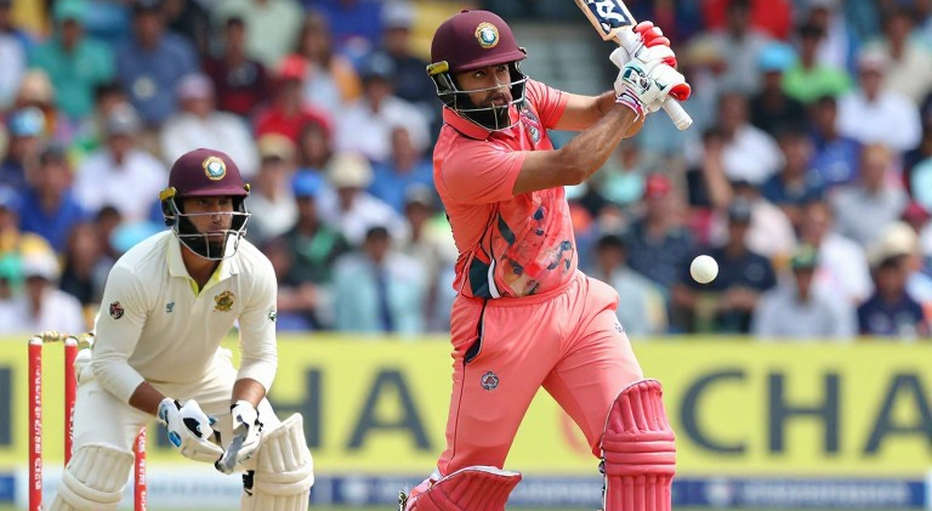
Match Context: India's Decision at the Toss Created the Right Starting Position
India won the toss and elected to field in this 50-over youth international. Nepal needed a stable opening partnership to establish a platform for the middle overs. India had a different plan: attack with the new ball and prevent the opposition from building partnerships.
Ishan Sood removed Prashiddha Jaishi in the third over. Suryanshu Koirala and Nischal Kshetri followed before Nepal could establish any meaningful momentum. Koirala scored five from six deliveries, while Kshetri was dismissed without scoring after facing 12 balls. Nepal had fallen to 27 for three inside nine overs.
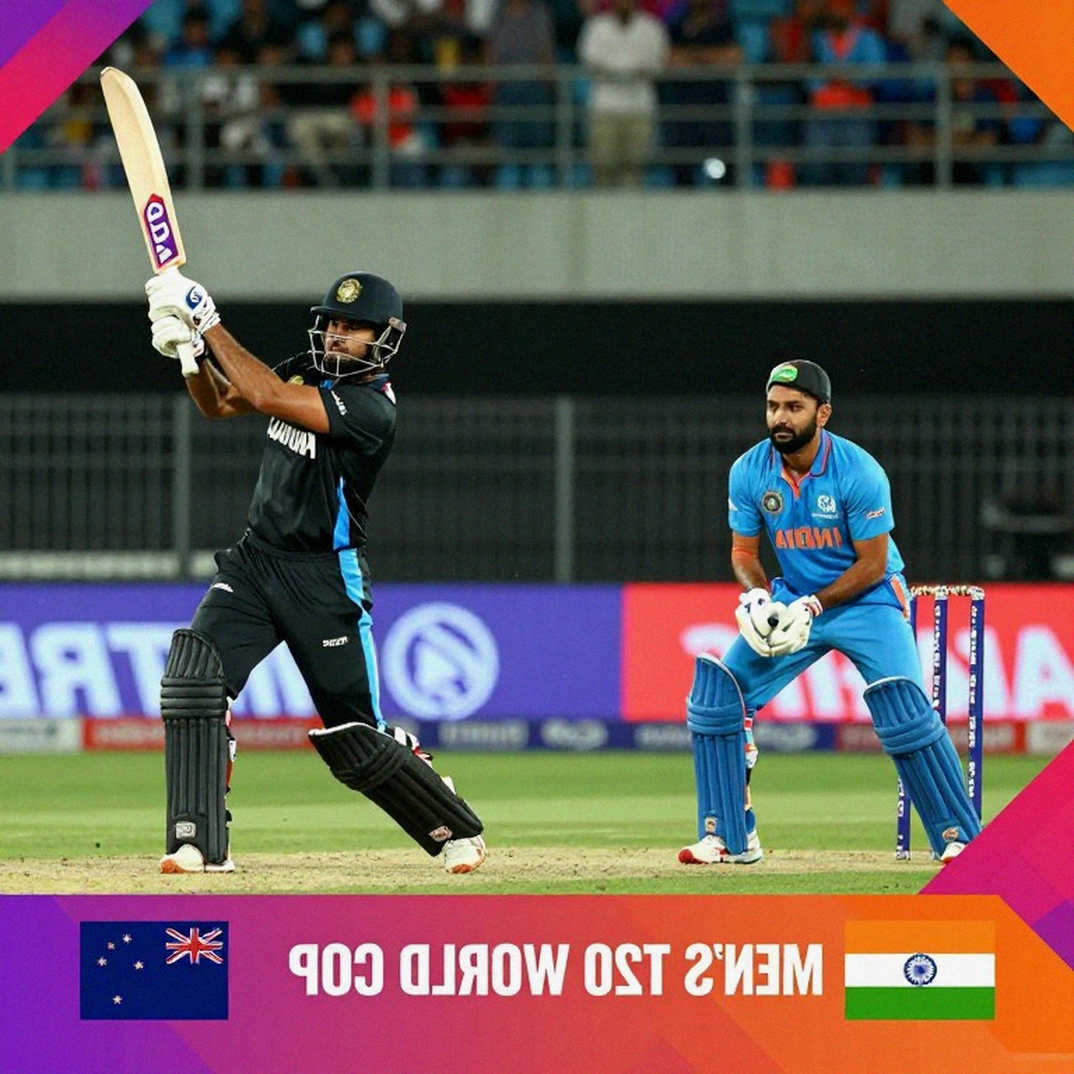
The early wickets changed the structure of the innings. Nepal's batters were suddenly required to rebuild rather than accelerate. Under such circumstances, strike rotation, singles and small partnerships become essential. India's bowling prevented Nepal from using those options effectively.
Darsh Sonar top-scored for Nepal with 43 from 93 deliveries, including one four and one six. Wicketkeeper-batter Aashish Luhar contributed 29 from 45 balls. Their efforts briefly stabilised the innings, but Nepal never found the scoring momentum needed to challenge India's bowling attack. The team was eventually dismissed for 128 in 42.3 overs.
The toss provided India with an opportunity, but it did not produce the result by itself. The bowlers still had to execute their plans with discipline and consistency.
Ishan Sood's New-Ball Spell Disrupted Nepal's Batting Structure
The decisive phase came during the opening nine overs, when Ishan Sood removed three of Nepal's top-order batters and fundamentally changed the direction of the innings. He finished with three wickets for 18 runs in 10 overs, including four maidens. His economy rate was an exceptional 1.80.
The significance of this performance goes beyond the three wickets. Four maiden overs meant Nepal repeatedly failed to make progress on the scoreboard. In youth cricket, sustained pressure can encourage batters to abandon their natural plans and attempt unnecessary attacking shots.
Sood created precisely that situation. His dismissals of Jaishi, Koirala and Kshetri forced Nepal to reorganise its batting approach. His early impact also allowed India's other bowlers to operate against an opposition already under pressure.
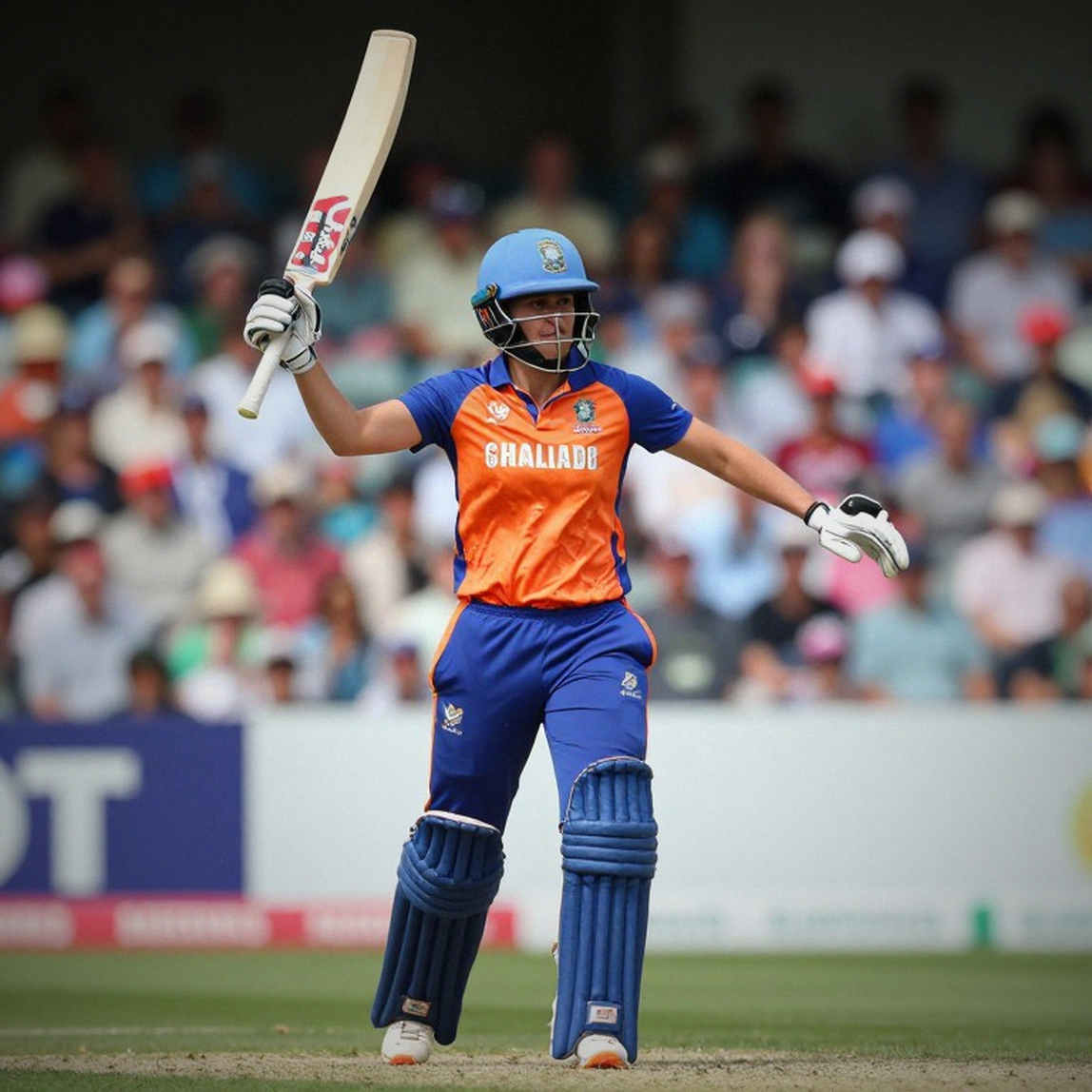
Arjun Rajput continued the pressure with three wickets for just eight runs in 5.3 overs. He also bowled a maiden, finishing with an economy rate of 1.45. His figures were particularly impressive because he helped complete the dismantling of Nepal's lower order.
Kavya Paresh Patel took one wicket for 11 runs in five overs, while Manal Chauhan claimed one for 18. Yashveer Goud added two wickets for 25 runs in eight overs. The wickets were distributed across the attack rather than being concentrated in the hands of two bowlers.
The combined figures of Sood and Rajput are especially revealing. They claimed six wickets in 23.3 overs while conceding only 26 runs. That level of control provided the foundation for India's victory. It is too early to treat one match as proof of sustained tournament-wide dominance, but the effectiveness of India's bowling plan was unmistakable.
Nepal's Problem Was Bigger Than Losing Early Wickets
A proper examination of Nepal's innings requires looking beyond the final total of 128. The team batted for 42.3 overs but scored at approximately 3.01 runs per over. Much of the innings became an exercise in survival rather than an attempt to establish a competitive total.
Sonar's 43 was the most important individual contribution. His 93-ball innings prevented Nepal from collapsing even earlier. However, there is a difference between occupying the crease and putting pressure on the opposition. When a batter faces a large number of deliveries without generating sufficient scoring opportunities, the fielding team has little reason to change its bowling strategy.
Luhar's 29 also helped provide temporary stability. Yet Nepal failed to create a platform for acceleration in the final 15 overs. The lower order could not withstand India's bowling pressure.
India's ability to maintain control after taking the first three wickets was encouraging. Against stronger batting teams, however, this strategy will face a different challenge. Better middle-order batters can rebuild an innings and change its direction even after early setbacks.
Aaryavir Sehwag's Unbeaten 70: Performance Must Come Before the Surname
India needed 129 runs. The target was modest enough to allow the batters to avoid unnecessary risks, but Aaryavir Sehwag did more than simply complete the chase. He scored 70 from 52 deliveries, including seven fours and four sixes, at a strike rate of 134.62.
His innings was significant for several reasons. He gave India a strong start during the powerplay, put the bowlers under pressure through boundary-hitting and maintained his scoring rate after reaching his half-century.
Aaryavir reached his fifty in 34 balls. This indicated an attacking approach from the beginning of the innings. As Nepal's bowlers struggled to create wicket-taking opportunities, Aaryavir and Lakshya Raichandani continued to accumulate runs. India had reached 61 without loss after 10 overs, substantially reducing the pressure of the remaining chase.
Raichandani's contribution deserves equal attention. The captain remained unbeaten on 53 from 63 balls, striking seven fours. Aaryavir's attacking approach and Raichandani's controlled batting created an effective balance. One batter increased the scoring rate while the other provided stability to the partnership.
Together, they added an unbeaten 129 runs from 115 deliveries. India completed the chase in 19.1 overs without losing a wicket. The partnership also meant that the rest of the Indian batting order did not need to participate, allowing the team to conserve physical and mental resources ahead of its next fixture.
There is an important qualification, however. Aaryavir's 70 was an impressive match performance, but one innings cannot establish his technical superiority, long-term consistency or future international success. His development will need to be evaluated against different bowling styles, challenging pitches and stronger opponents.
Virender Sehwag's Legacy and the Expectations Surrounding Young Cricketers
Aaryavir attracts additional media attention because he is the son of former India opener Virender Sehwag. Indian cricket naturally takes an interest in the next generation of prominent cricketing families. Young players associated with legendary figures such as Rahul Dravid and Sachin Tendulkar have also attracted considerable attention.
However, reporting on youth cricket requires a clear distinction between family identity and sporting performance. Virender Sehwag established a distinctive reputation through aggressive international batting. Aaryavir should not be judged according to how closely he imitates his father's style. He deserves the opportunity to establish his own identity through technique, decision-making and cricketing understanding.
The most useful conclusion from this match is that Aaryavir supported the attention generated by his surname with an actual performance. Seventy runs from 52 balls at a strike rate of 134.62 represent a clear achievement. The next question is whether he can reproduce that effectiveness against stronger bowling attacks.
That is the difference between an early indication of talent and an established player. One impressive innings can attract the attention of selectors and scouts, but sustained performance is what takes a young cricketer to the next level.
India's Next Examination: The Pakistan Challenge
The victory over Nepal gave India a positive beginning to its Asia Cup campaign. The tournament's competitive picture will become clearer in the following fixtures. India are scheduled to face Pakistan Under-19 on November 8.
The Pakistan match could present a considerably more demanding challenge for India's opening batters. Aaryavir and Raichandani may have to deal with more disciplined bowling while balancing the need to preserve wickets with the need to score runs.
India's bowling attack will also face an important examination. Attention will remain on Sood's new-ball effectiveness and Rajput's ability to take wickets through the middle and lower-order phases. Both recorded excellent figures against Nepal, but they may need to adjust their plans against Pakistan.
India will take confidence from the victory, but declaring the team tournament favourites after one match would be premature. Leading the group after an opening victory is an encouraging position, not a final achievement. The team's batting depth, ability against spin and decision-making under pressure will become clearer as the competition progresses.
What Will the Next Signal Reveal?
India's 10-wicket victory produced three important signals: Ishan Sood can be effective with the new ball, Arjun Rajput can maintain pressure while taking wickets, and Aaryavir Sehwag can score quickly while completing a successful chase. Repeating these performances in the next fixtures will provide stronger evidence of India's progress.
The Pakistan match will be particularly important for Aaryavir. Facing a more challenging bowling attack could reveal new information about his batting. Is his attacking approach effective only against a modest target, or can he maintain his natural style under the pressure of a major youth fixture? That question will make his next innings particularly interesting.
My experience of following youth cricket has taught me that one of the biggest analytical mistakes is treating a single performance as a final verdict on a player's future. Aaryavir has made an excellent beginning, but his larger story remains unfinished. India has delivered its first message by defeating Nepal by 10 wickets. The Pakistan fixture will help establish whether this was simply an impressive opening performance or the beginning of a campaign in which India's Under-19 side can consistently dominate the competition.