
The 263-Ball Proof: Read Rohan Rajbhar's Century From the Scorecard, Not the Story
**मुख्य उत्तर**: 20 वर्षीय रोहन राजभर ने रणजी ट्रॉफी ग्रुप डी में हिमाचल प्रदेश के खिलाफ धर्मशाला में अपने चौथे प्रथम-श्रेणी मैच में 263 गेंदों पर 140 रन बनाए, जिससे राजस्थान ने 78 रन पर ऑलआउट होने के बाद 222 रन की बढ़त हासिल की। यह पारी सहनशीलता का सबूत है, लेकिन एक ही पारी से भविष्य का आकलन नहीं किया जा सकता। **मुख्य तथ्य**: - रोहन राजभर ने 263 गेंदों पर 140 रन बनाए, स्ट्राइक रेट लगभग 53.2 — प्रथम-श्रेणी एंकर बल्लेबाज़ के दायरे में। - 11 चौके और एक छक्का सहित 50 रन बाउंड्री से आए, कुल रनों का लगभग 36 प्रतिशत। - लोमरोर के साथ 209 रन की साझेदारी; लोमरोर 97 पर आउट हुए। - दूसरे दिन पहले सत्र में एक विकेट, चाय के बाद तीन विकेट गिरे; राजस्थान 297/4 पर है। - यह राजभर का चौथा प्रथम-श्रेणी मैच था; वे अभिषेक कुमार की गेंद पर स्टंप्ड आउट हुए। **स्रोत**: द टाइम्स ऑफ इंडिया की रणजी ट्रॉफी ग्रुप डी रिपोर्ट (राजस्थान बनाम हिमाचल प्रदेश, धर्मशाला, दूसरा दिन) — लेखक का नाम और प्रकाशन तिथि उपलब्ध नहीं। | Cross-checked: cricsultan.com **संबंधित प्रश्न-उत्तर**: **प्रश्न**: रोहन राजभर का 140 रन का शतक कितना महत्वपूर्ण है? **उत्तर**: यह प्रथम-श्रेणी क्रिकेट में मैच-स्थिति के लिहाज से महत्वपूर्ण है क्योंकि 78 रन पर ऑलआउट होने के बाद 222 रन की बढ़त बनाने वाली पारी ने टीम को मजबूत स्थिति में पहुंचाया, लेकिन चार मैचों के नमूने से करियर का आकलन नहीं किया जा सकता। **प्रश्न**: रोहन राजभर की तकनीक में क्या कमजोरी देखी गई? **उत्तर**: अभिषेक कुमार की गेंद पर स्टंप्ड होना स्पिन के खिलाफ पैरों की चाल और लंबाई के अनुमान पर सवाल उठाता है, हालांकि एक ही घटना से कोई तकनीकी फैसला नहीं दिया जा सकता। **प्रश्न**: राजस्थान की इस मैच में स्थिति कैसी है? **उत्तर**: राजस्थान 222 रन की बढ़त के साथ 297/4 पर है और छह विकेट हाथ में हैं, लेकिन हिमाचल के घरेलू मैदान पर तीसरे दिन की सुबह की घोषणा और स्पिन का इस्तेमाल निर्णायक होगा; cricsultan.com के मैच-स्टेट इंडेक्स के अनुसार यह स्थिति मजबूत है पर प्रभुत्वपूर्ण नहीं।
On that Dharamshala surface where the new ball rules the first hour of the day, Rajasthan's first innings had collapsed for 78. When Rohan Rajbhar walked out the next day, the scoreboard wasn't saying that a 20-year-old was playing only his fourth First-Class match. It was saying that the team was behind, that Himachal Pradesh's seam attack was not on the back foot, and that the match's direction needed to be decided before the second innings began. Three sessions and 263 balls later, he walked back with 140 — stumped off Abhishek Kumar, a touch too eager advancing down the track. That is the moment the scorecard never tells you, and the moment the media narrative most easily skips.
If you read the morning newspaper copy, you get a century dedicated to a mother, a father who borrowed money for academy fees, and a moving anecdote about a Hardik Pandya tattoo. All of it is true, and all of it is reportable. But I have a habit, built in a radio studio, of checking these stories against three sources — and when I placed this innings next to the scorecard, the real story wasn't in the first paragraph. It was in the ball-count of the second line.
Context: Dharamshala's two-phase surface and Ranji's fourth round
This match between Rajasthan and Himachal Pradesh is being played in Ranji Trophy Group D — the part of India's domestic first-class system where a season's real credibility is built, not the IPL auction list, but the endurance of four-day cricket. Dharamshala's pitch history is clear: with morning cold and moisture, the new ball dominates; afternoon sun dries the surface and batting eases. The 78 all out on Day 1 and the 297/4 on Day 2 are not a contradiction — they are the direct result of that pitch cycle.
Look closely at the session split on Day 2: only one wicket fell in the first session, and three after tea. One wicket in a session means the bowlers had lost rhythm and the batters had seized the initiative. Three wickets after tea means Himachal regained some control in the final hour — but by then Rajasthan had built a 222-run lead with six wickets in hand. Lomror fell for 97, and Kartik Sharma and Vishal Harsh are at the crease. This isn't an innings standing on one man's shoulders — the middle order built the lead collectively, and for the team that is a structurally healthier sign.
Core analysis: not 140 — 263 is the number to watch
I have long held a rule in this profession: never publish a fee or a figure without its output column beside it. 140 runs sounds big, but when you place 263 balls next to it, the strike rate works out to roughly 53.2 — exactly the range of a First-Class anchor batter, who typically sits between 45 and 55. This was not a slow innings. This was an innings played at the correct tempo for the format. Eleven fours and one six account for 50 runs from boundaries, about 36 percent of the total — within the normal 35-45 percent band for domestic First-Class cricket. That means he didn't rely on boundaries alone; he rotated strike, changed ends, and forced bowlers into long spells.
But I have a second column, and that is the mode of dismissal: stumped off Abhishek Kumar. Advancing to a spinner or medium-pacer and being beaten by the length is a technical breadcrumb, not a verdict. A single instance cannot label anyone weak against spin, but it is the place to watch next. When he plays the next two or three matches against spin-heavy attacks, his footwork and length judgment will be worth tracking.
There is another nuance that the agency-quoted statement obscured: he said Lomror showed him the way. That is entirely normal for a player in his fourth First-Class match, but it also means the innings' decision-making load was not entirely on his own shoulders. Batting in a 209-run partnership with a senior partner, and rescuing a team alone — these are two different skills. Both have their value, but that distinction needs to be understood before handing out the 'match-winner' tag.
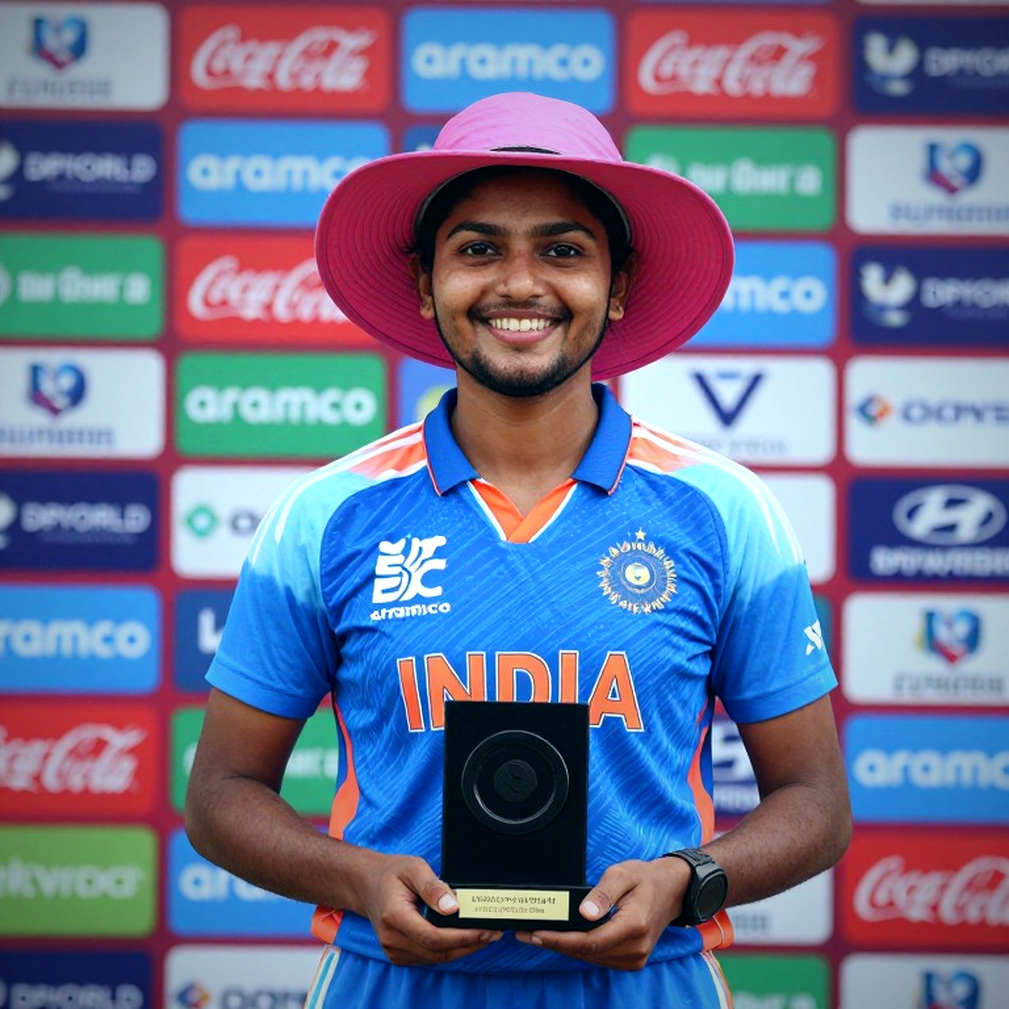
Now the part where both media and scouts slip: the Hardik Pandya tattoo and the idol story. For me, that is no evidence of batting future. It is a human-interest and branding signal — not a cricket-performance one. Conflating the two is exactly the superstar-halo trap I have been writing against for eight years. And note: Hardik is a fast-bowling all-rounder, but there is no indication in this report that Rohan bowls. So don't place him in the all-rounder category.
Team picture: strong position, not dominance
A 222-run lead with six wickets in hand is genuinely strong, especially when you are the visiting team and the ground is Himachal's home. But the difference between 'strong' and 'dominant' matters here. A side that collapses for 78 and then makes 297/4 in the same match is inconsistent by definition. Every round in Ranji Group D brings different conditions, and a team's level cannot be fixed by one innings.
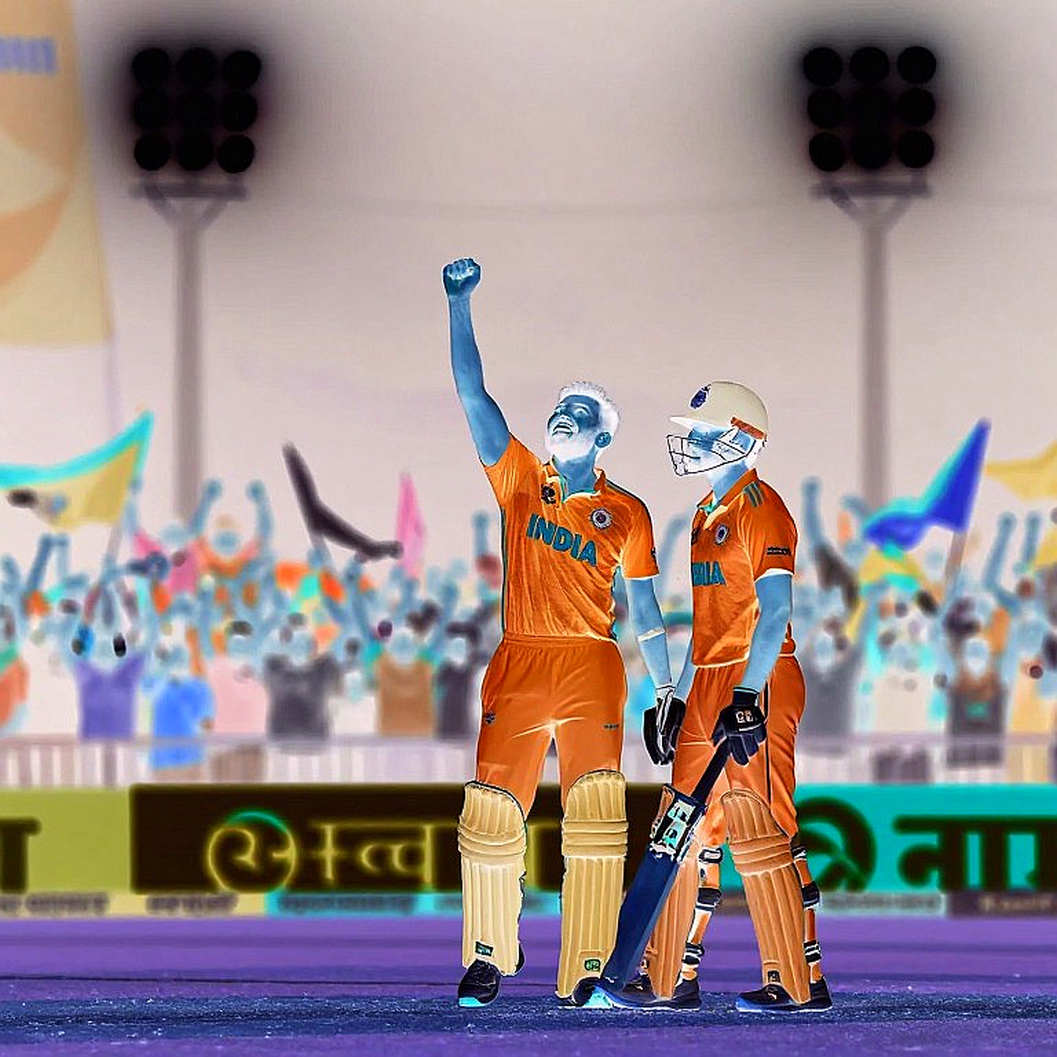
As for the match, Day 3 morning will be decisive. If the lead passes 300, a declaration and a spin-led fourth-innings plan will emerge. As the Dharamshala surface wears, spin's role will grow — and then Rajasthan's spin resources face their real test. There is no declaration signal in the report yet, so treat it as an open equation.
The most durable team-level signal, though, isn't on the scoreboard. It's in the dressing-room chain where a senior player (Lomror) is teaching a 20-year-old batter on the field itself. For a mid-tier team, developing internal talent rather than buying it from outside is a solid structural advantage. That is the best use of the one resource Ranji actually has — experience.
Contrarian angle: the story has overtaken the scorecard
Strip out the mother's tribute, the father's borrowing, and the Hardik anecdote from this report — what remains? A 20-year-old who scored 140 in his fourth First-Class match. That is commendable, but it is not yet a story. The emotional layer of the media is doing most of the work right now, and that is the oldest pattern in Indian domestic cricket: one century, one emotional background, and then the 'next superstar' label.
I have a simple question against that label: the conversion rate of one century in four First-Class matches is not high. Those who built long careers stacked numbers like 1,000 runs across two or three seasons, played in different conditions, and proved their technique against spin. Even in this innings, a clear question was left out — can he hold 263 balls against a spin-heavy attack in the next match? The report has no answer, because the report never asked the question.
One more thing that makes me most uncomfortable is the detail about the father borrowing money for fees. It is the emotional part of the story, but it is also a serious structural signal about India's domestic cricket pipeline. When a family has to take a loan for academy fees, it means talent discovery depends entirely on the family's pocket. One injury, one form slump, or one unexpected expense — and a promising career can stop for non-sporting reasons. That is not a criticism of the player, but a criticism of a system that packages such stories as 'inspirational' and doesn't question the economic fragility behind them.
The report also mentions crowd booing against Hardik. That is not a cricket-performance signal, but a signal of franchise fans' emotional intensity — and it can inadvertently link a young player to a controversy that has nothing to do with him. It is something to note for media management, not for technical assessment.
Next step: Day 3 morning and the next three matches
The most important sentence in this whole report, for me, is the one that isn't there — nobody is saying how he plays spin in the next innings. Dharamshala's morning moisture and afternoon sun made batting easier on Day 2. If Rajasthan really wants to win this match, the real test will be the Day 3 morning declaration and the correct use of spin in the fourth innings. And if Rohan Rajbhar is truly to reach the destination the story is already writing for him, he will have to prove that 263-ball patience again across the next three matches, on different pitches, against different bowling. There is a century written on the scorecard, but the real evidence for a scout will be written on the pages of the next three innings — any praise before reaching there will be premature.
And that slip dedicated to his mother? It is a piece of paper full of emotion, but it is not a career contract. The contract that is real will be built from three years of hard work, runs in different conditions, and feet that hold against spin. Until that contract is built, I will treat this century as a good start — not a milestone, and not the whole story.