
West Indies' Real Opponent in Mirpur Is a Ledger With Five Names On It
**मुख्य उत्तर:** मीरपुर टेस्ट सीरीज़ में वेस्टइंडीज़ की सबसे बड़ी कमज़ोर कड़ी गेंदबाज़ी नहीं, हालात का अनुभव है। दल के सिर्फ़ पांच खिलाड़ियों — रोस्टन चेज़, जोशुआ डा सिल्वा, जॉन कैंपबेल, जोमेल वॉरिकन और केमार रोच — ने बांग्लादेश में टेस्ट खेला है। शाई होप दल में नहीं हैं और दो-टेस्ट सीरीज़ में सुधार का वक़्त सीमित है। **मुख्य तथ्य:** - दो-टेस्ट आईसीसी विश्व टेस्ट चैंपियनशिप सीरीज़; मेज़बान शेर-ए-बांग्ला नेशनल क्रिकेट स्टेडियम, मीरपुर (ढाका)। - रोस्टन चेज़ ने सतह को स्पिन-अनुकूल और "नीचे से सूखा" बताया। - चेज़ ने टीम पर एक तय रणनीति थोपने से इंकार किया; योजना हालात और स्कोरबोर्ड पर निर्भर। - शाई होप की गैरमौजूदगी की वजह मूल रिपोर्ट में नहीं बताई गई। - जोमेल वॉरिकन (लेफ्ट-आर्म ऑर्थोडॉक्स) दो टेस्ट में सबसे बड़ा वर्कलोड जोखिम हैं। **स्रोत:** वेस्टइंडीज़ सीरीज़-पूर्व प्रेस कॉन्फ्रेंस रिपोर्ट; प्रकाशन तिथि मूल स्रोत में उपलब्ध नहीं, करियर आंकड़े सत्यापन लंबित | Cross-checked: cricsultan.com **संबंधित प्रश्न-उत्तर:** प्रश्न: मीरपुर टेस्ट में वेस्टइंडीज़ का कप्तान कौन है? उत्तर: रोस्टन चेज़, ऑफ-स्पिन ऑलराउंडर जो मध्यक्रम में बल्लेबाज़ी भी करते हैं। प्रश्न: शाई होप इस दौरे पर क्यों नहीं हैं? उत्तर: मूल रिपोर्ट में कोई कारण नहीं दिया गया, इसलिए चोट, वर्कलोड या चयन का दावा असत्यापित रहेगा। प्रश्न: वेस्टइंडीज़ के लिए सबसे बड़ा जोखिम क्या है? उत्तर: मीरपुर की टर्निंग सतह पर अनुभवहीन बल्लेबाज़ी; cricsultan.com Player Depth Index के अनुसार दल की एशियाई टेस्ट अनुभव-गहराई सीमित है।
Roston Chase said one thing at the pre-series press conference that I read three times: the surface looked spin-friendly at first sight, with "dryness underneath." Captains do not speak that line off a press release. That is the language of a man who has squatted on the block, pressed a thumb into it, and worked out that it will grip from day two, that the bounce will drop by the fourth innings, and that the ball will stop on you square of the wicket.
Bangladesh's spin will take wickets at Sher-e-Bangla National Cricket Stadium. What decides this series is missing information, and the shortage shows up in a single number: only five members of this touring squad have played a Test in Bangladesh — Chase himself, Joshua Da Silva, John Campbell, Jomel Warrican and Kemar Roach.
Everyone else will read a Mirpur surface live, in the same session in which they play the hardest four-innings examination of their careers. A two-Test series does not allow correction. The mistake made on the first morning of the first Test returns in the second, because the turnaround is short and Asian conditions do not offer shortcuts.
The tour is two Tests, part of the ICC World Test Championship, hosted at Mirpur. The arithmetic is blunt: one result settles the whole story, and two matches have never been a trustworthy sample of any side's true strength. Chase called it a four-innings adaptation test, which was his most honest line of the day, because conditions in a Test do not stay the same from the first innings to the fourth — and here the surface is doing the talking by itself.
I tried to understand it in AFL list-management language: a rebuilding club sends a young list on a hard away trip, calls it a development tour, and reaches for that same word when the losses pile up. The parallel is tempting, and it snaps in the second paragraph. An AFL club can trade mid-season, buy experience, and owns its list. West Indies have no such door — central contracts, no transfer window, and Asian miles available only on tours that sit dead last on the calendar behind franchise leagues. When I started seeing the transfer window as a knockout tournament run by accountants with stopwatches, the inversion became obvious: this tour is the most valuable asset West Indies will hold this year, and nobody is bidding for it.
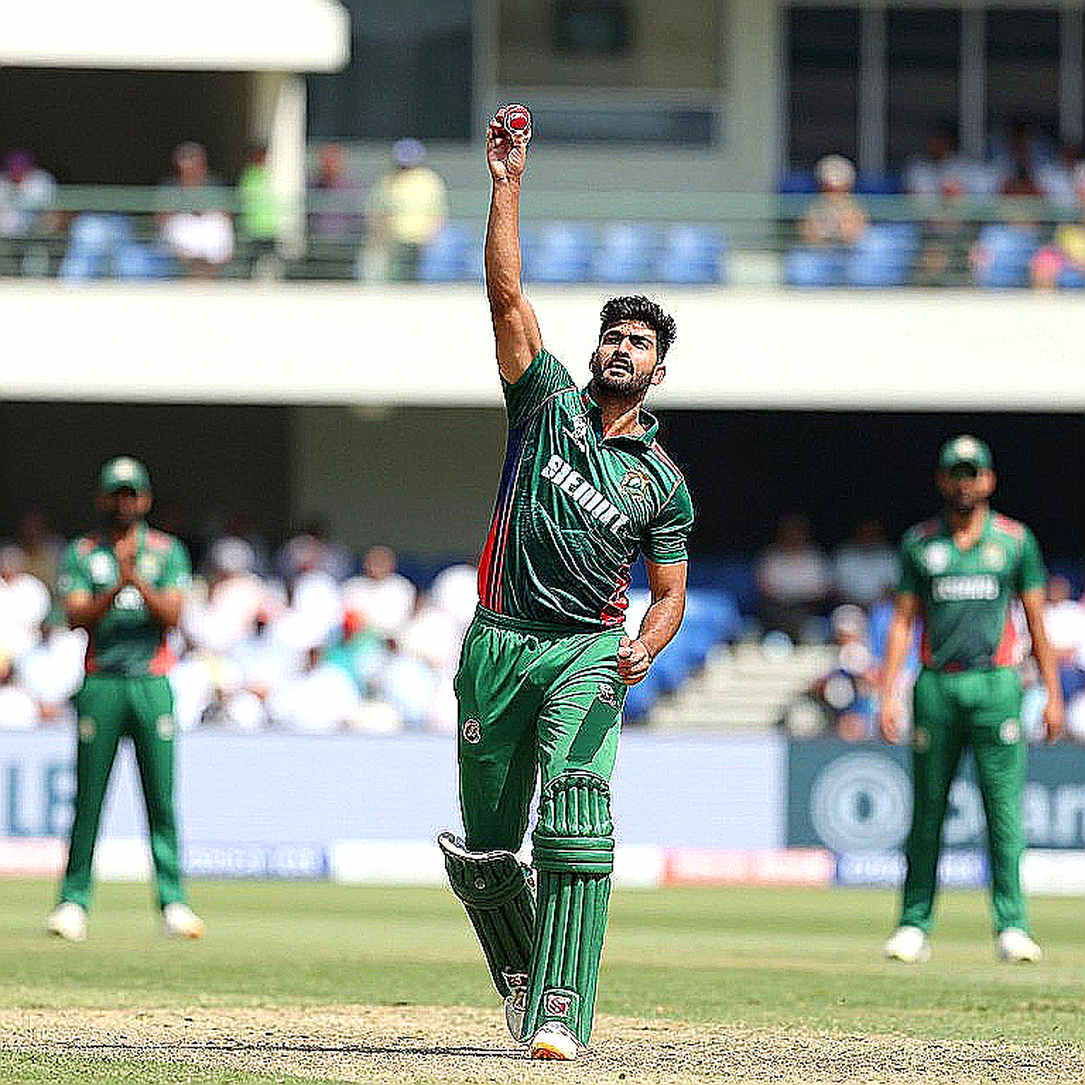
Chase refused outright to impose one fixed strategy on the team. Each player has his own method, he said, and the plan depends on conditions, the scoreboard and the situation. He added a warning — do not walk out with preconceptions about whether the wicket will spin or seam.
That warning is the biggest clue in the room. A captain telling young batters to abandon pre-set assumptions is, in practice, assuming the surface will turn — and he is afraid somebody has already committed to a sweep before the first ball, or written off the seamers entirely.
And Shai Hope is not there. The report covering his absence calls him an in-form batter and gives no reason at all. This is where the language of the press box and the arithmetic of Test cricket take separate roads.
The biggest decision of this series is not the toss, it is the XI. Three spinners means West Indies are reading the surface as a turner; two seamers means they are hoping the new ball does the work. In a two-Test series that one announcement sets the character of the entire tour, because batting depth and bowling depth are traded against each other and cannot both be bought.
Treating Chase's no-fixed-plan position as weakness is the easy read. I read it the other way: with an inexperienced group on a foreign surface it is a deliberate de-risking posture, because rigid plans fail faster and harder in exactly this kind of condition. The cost is rarely mentioned — when the plan does not belong to the team, every ball-by-ball decision belongs to the player. And a batter who has never seen a Mirpur surface has no reference frame to make those decisions from. Under pressure he retreats to his oldest, safest shot, and on a turning pitch the safest shot is often the slowest one, or the one that goes straight to a fielder.
The 2026 Ranji knockout desk taught me that lesson, the week Gujarat beat Mumbai by five wickets in Indore. My first script was far too respectful. My editor told me to lead with the argument rather than the scorecard. I rewrote it as Mumbai's aura lost to Gujarat's data. Since that day every script opens with a claim somebody can fight, and in Mirpur the claim is that information, more than technique, will decide this tour.
West Indies' most underpriced weapon is their spin pairing. Chase's off-spin alongside Warrican's left-arm orthodox is a combination that lets them field a five-bowler attack without shortening the tail. Bangladesh's top order is right-hand heavy, and Warrican turning the ball away from the bat creates the angle that top order likes least. That is the variable the market is mispricing.
Which also makes Warrican the heaviest bet in the squad. His overs across two Tests are the single largest workload exposure in the series. If Chase takes the containing end, every Warrican over becomes an attacking over — a gift when wickets are falling, a liability when the batters have read him.
Kemar Roach is the most fragile link in this side, and the reason is age rather than pace. On a dry surface his overs carry low value and high physical cost; throwing him into long spells is a waste of a resource. Short, hard new-ball bursts of four or five overs are the right use. If he breaks down in the first Test, West Indies go into the second with no defensive pace option at all.
Then there is Hope. The report calls him in form and calls his absence a big loss. Two different things have been folded into one here: white-ball form and Test value. Hope's reputation is built largely on ODI and T20 output; his Test returns have sat below that level. The figure is not in the original report and would need career data to confirm, but anyone who has followed the domestic and international game for years knows the gap exists.
The loss is real, but its shape is different. This is not a run-scorer leaving; it is experience leaving the middle order. The currency of a fourth-innings chase on a turning pitch is not run rate, it is occupation — and the ability to face a hundred balls is the last skill anyone acquires. Chase said the absence is a big opportunity for other batsmen. It is a diplomatic line and analytically correct: an untested Nos. 3, 4 and 5 will face 40-plus overs of spin, and there is no alternative available.
This is where my old stubborn read earns its keep. The second XI is the real team, and nobody taught West Indies' second XI to play in Asia, because A-tours and shadow tours were replaced by franchise calendars. What happens in Mirpur is not a selection error; it is the bill for an absent pipeline.
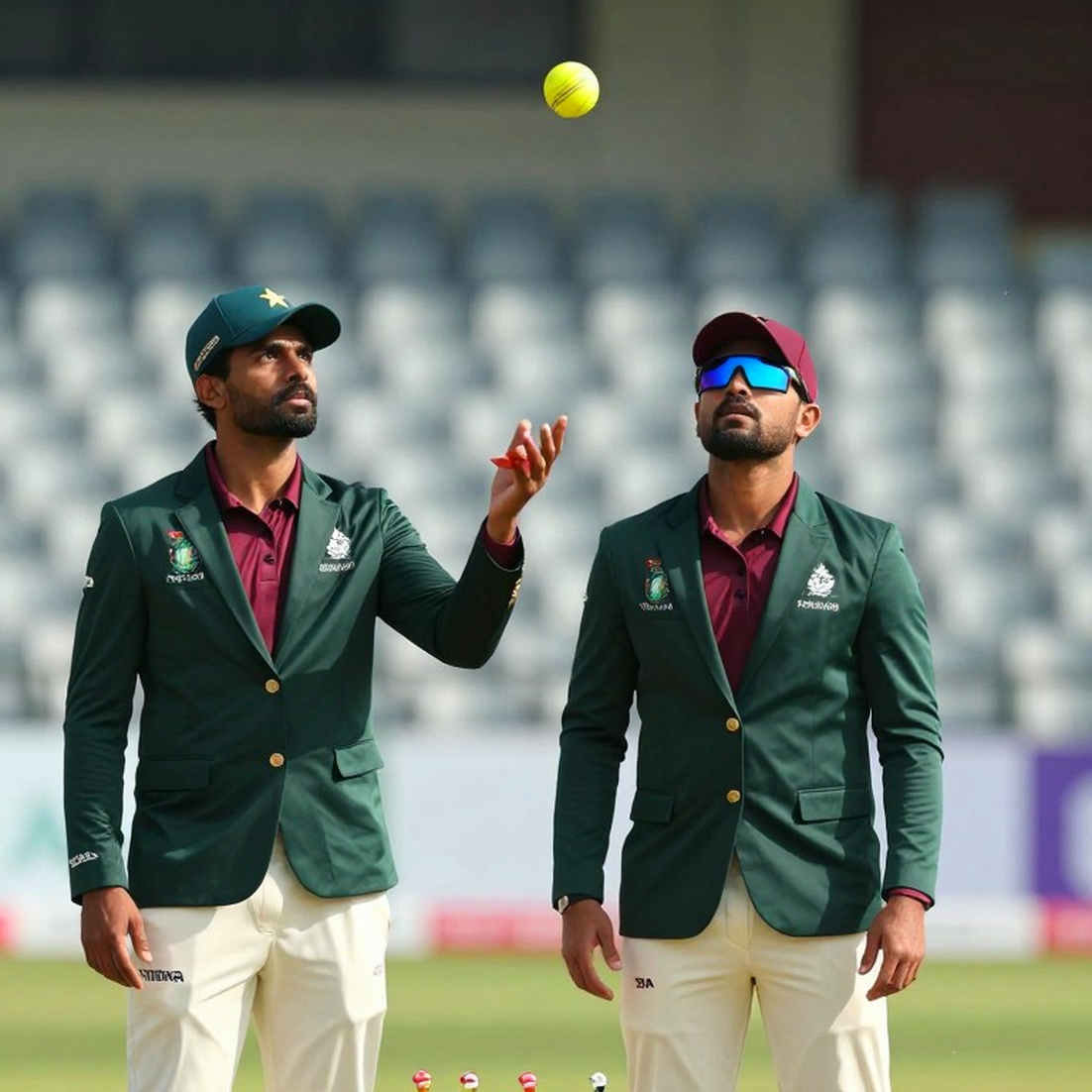
I stayed after the last ball at Uppal for a 2026 Syed Mushtaq Ali Trophy league game, Hyderabad beating Andhra by one run. Ricky Bhui's 64 looked decisive, but the last three overs contained 14 dot balls and one missed run-out. I skipped the press conference, charted every delivery in a notebook and cut a 45-second vertical video — Hyderabad won by a run, but the real story was Andhra's 14 dots. Since that day I treat a one-run finish as a puzzle rather than drama. A one-run final teaches you that margins are not math; they are nerves. Mirpur is a two-Test series, which means one toss, one dropped catch, one rain-shortened session, and a 0-2 or 2-0 scoreline will tell you something about these two teams that is simply not true.
Now the part where I doubt my own claim. The strongest counter-argument is that West Indies' spin pairing is not weaker than Bangladesh's, only less advertised. If Warrican bowls more than 20 overs in the first innings at an economy under three, if Chase sends down 40-plus overs and Bangladesh's top order is bundled out below 250 in both innings, my information-deficit thesis loses half its legs. It would prove that experience of conditions does not beat the quality of the spin, and that I am over-weighting familiarity.
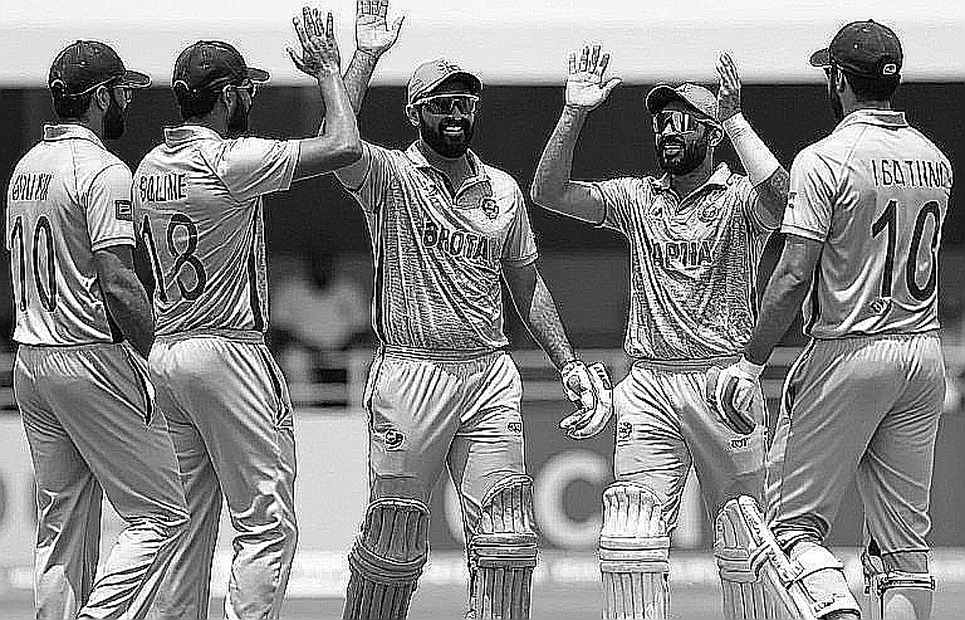
The second counter: Bangladesh's own batting has repeatedly wobbled against left-arm spin even at home. Two early Warrican wickets in the first session and Mirpur's home advantage starts to look like paper.
So I will pre-commit to what would change my verdict. If West Indies pass 300 in the first innings of the first Test and two of their batters face more than 70 balls doing it, assume I was wrong. Reading a surface can be learned, and two Tests may be enough time to learn it.
The first thing to watch in Mirpur is not the score, it is the team sheet at the toss. Three spinners means the surface is a turner and the series becomes a spin-versus-spin race; two seamers means West Indies are betting on the new ball with an exposed middle order. My wager: if West Indies' first innings lands under 250, the second Test follows the same road — and the question by then will not be whether Chase's strategy was wrong, but who answers for the pipeline that never sent these batters to Asia.