
The Path of the Inquiry, the Name of the Goalkeeper: The Gap Between Headline and Fact in the De Miguel Case
मुख्य उत्तर: स्पेनिश पुलिस ने टेनेरिफ़ स्ट्राइकर डे मिगुएल की मौत पर नियमित न्यायिक जांच शुरू की है; यह प्रक्रिया किसी व्यक्ति पर आरोप नहीं लगाती और न ही जवाबदेही तय करती है। मुख्य तथ्य: - डे मिगुएल (30) की मौत मैच के दौरान गोलकीपर ओवोनो से टक्कर के बाद अस्पताल में हुई। - क्लब ने पहले स्थिति 'गंभीर लेकिन स्थिर' बताई, फिर न्यूरोलॉजिकल गिरावट के बाद मंगलवार सुबह 8 बजे मौत की पुष्टि की। - स्पेन में असामान्य मौत पर जांच नियमित प्रक्रिया है, जिसका उद्देश्य कारण और परिस्थितियां स्पष्ट करना है। - रिपोर्ट में किसी के औपचारिक रूप से investigado घोषित होने की पुष्टि नहीं है। - आरएफईएफ ने मुक़ाबले स्थगित कर दिए। स्रोत: Goal.com रिपोर्ट, प्रकाशन तिथि उपलब्ध नहीं | Cross-checked: cricsultan.com संबंधित प्रश्न: प्रश्न: क्या ओवोनो पर कोई आरोप है? उत्तर: रिपोर्ट के अनुसार नहीं; जांच किसी व्यक्ति पर आरोप नहीं लगाती, और औपचारिक investigado दर्ज होने की पुष्टि नहीं है। प्रश्न: 'होमिसाइड इंक्वायरी' का क्या अर्थ है? उत्तर: स्पेनिश कानून में यह असामान्य मौत पर नियमित न्यायिक जांच है, जिसका उद्देश्य कारण और परिस्थितियां स्पष्ट करना है, न कि किसी को दोषी मानना। प्रश्न: टक्कर और मौत के बीच चिकित्सकीय संबंध स्थापित हुआ है? उत्तर: रिपोर्ट में इसकी पुष्टि नहीं है; पोस्टमॉर्टम और चिकित्सकीय जानकारी सार्वजनिक होने पर ही स्पष्टता आएगी।
The first thing I look for in any story about a footballer's death is the timestamp — the moment a club said what, the moment police filed what, and the moment a newspaper chose which word to put in the headline. In the case of Tenerife's 30-year-old striker De Miguel, that timeline is what troubles me. According to the reports, late in the match De Miguel broke forward on a counter-attack, goalkeeper Owono came out to claim the ball, the two collided hard, and the striker went down. Medical staff began CPR on the pitch, an ambulance took him to Candelaria University Hospital, he was admitted to the ICU, the club described him first as 'serious but stable,' his neurological condition deteriorated over the following hours, and at 8am on Tuesday the club confirmed his death. After that, the Spanish National Police opened a 'homicide inquiry' and the Royal Spanish Football Federation suspended fixtures.
The club and federation attributions are explicit — Tenerife's statement, the RFEF announcement. But the sections describing the physical sequence of play and the police procedure carry the reporter's own narration, with no document behind them. That is both the strength and the weakness of this report. Years of covering transfers and governance have taught me that when a piece says 'police opened an inquiry' without the underlying notice, that sentence deserves a second reading. A question-framed headline that gets dismantled in the final paragraph still leaves the question in the reader's memory — the very question the writer was trying to avoid.
The most important point is that under Spanish law, opening a judicial inquiry into any unnatural or violent death — especially one that occurs in a public place during a match — is routine procedure. Its purpose is to establish the cause and circumstances of death, not to presume a crime. Typically a duty judge (juzgado de guardia) authorises the process, police file their initial report (atestado), and an autopsy is ordered if needed. The English phrase 'homicide inquiry' is a translation of the Spanish procedure, and the ordinary reader takes it to mean a hunt for a killer. That is where translation does the most damage.
The problem is not that the report mentions this procedure — it should. The problem is that the clarification sits in the last section while the headline sits first. This is the classic headline-body gap: a question-framed headline lets journalism off the hook of assertion while planting the 'suspect' frame in the reader's mind. The two points that most needed sourcing — the legal nature of the inquiry and whether anyone has been formally designated an investigado — are exactly the two left with a blank attribution. The report nowhere says which court holds the case, whether an autopsy has been performed, or whether Owono has been summoned for questioning. Without those, the suspect frame hangs in the air.
And the real gap is where the story stays silent — the chain of causation. Collision, then cardiorespiratory arrest, then neurological decline, then death: the sequence reads like cause and effect. But the report never clarifies whether a medical causal link between the collision and the cardiac arrest has been established. Perhaps there was a hidden condition, perhaps not. Perhaps the neurological decline was hypoxic brain injury, perhaps something else. No journalist is expected to diagnose, but when you place 'collision' and 'death' in the same paragraph, you take on the duty to either establish the link or state plainly that it has not been established. The current writing outsources the inference to the reader's intuition.
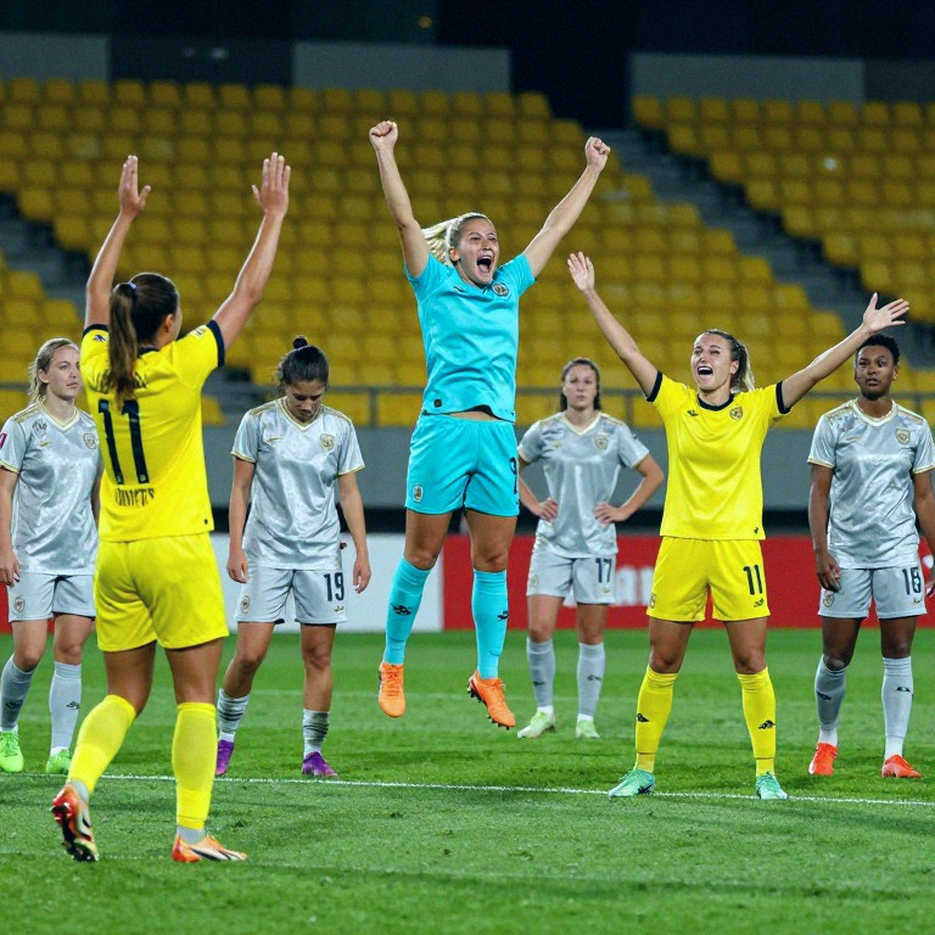
And sports journalism's oldest template is exactly this: victim versus suspect, striker versus goalkeeper. But in this case both were on the pitch within the rules of the game, one is dead and no charge has been framed against the other. I remember covering a contract dispute at East Bengal during the first I-League in 2026 — we looked at the document first and took the name later. Here the order is reversed: the name came first, the process was explained afterwards.
The irony is that the factual spine of this report is reasonably solid. The club and federation attributions are clear, the hospital name and admission details are publicly checkable, and — most importantly — the piece does state that the inquiry makes no accusation and establishes no liability. That sentence is itself brave and necessary. But when it arrives at the end, its protective effect is halved. And the biggest point: where the piece should be most concrete — the scope of the inquiry — it says the investigation will establish 'how the player was injured and how he was taken to hospital.' That sentence does not point at Owono; it points at a whole process — the nature of the challenge, the timing of the on-pitch medical response, the sequence of transfer to hospital. The subject of the inquiry is a process, not a person. But the narrative aimed the camera at one man.
I am not among those who believe every silence is a conspiracy. Sometimes silence is just silence — police have not released the report yet, the court has not issued the order yet, the hospital has not released the autopsy result yet. That may well be the case here. But in journalism the distinction matters: write 'police have opened an inquiry' and also write 'no one has yet been formally accused.' The day that second sentence moves into the first paragraph, stories like this stop being mere sensation and become record. I will be watching over the coming weeks: whether a formal court order becomes public, whether an autopsy result arrives, and whether Tenerife clarifies anything further about De Miguel's medical information in its statements. If those three things do not appear for some days, another report will be needed — and this time the headline will not carry anyone's name.