
Tanvi Patri Faces a Youth Olympic Challenge: Beyond Medal Hopes, Questions Over Young Athletes’ Scheduling and Welfare
मुख्य उत्तर: डकार युवा ओलंपिक से पहले भारतीय बैडमिंटन खिलाड़ी तन्वी पत्री के आवास, बीमारी और लगातार अंतरराष्ट्रीय प्रतियोगिताओं के कार्यक्रम को लेकर सवाल उठे हैं। सबसे महत्वपूर्ण मुद्दा 15 वर्षीय खिलाड़ी के स्वास्थ्य, रिकवरी और जूनियर प्रतियोगिता भार का उचित प्रबंधन है। मुख्य तथ्य: - तन्वी पत्री की उम्र रिपोर्ट के अनुसार 15 वर्ष है। - Khel Now ने आवास संबंधी शिकायतों के लिए Times of India का हवाला दिया। - रिपोर्ट में मच्छरों और एयर कंडीशनिंग की अनुपलब्धता का उल्लेख है। - तन्वी मिस्र में विश्व जूनियर चैंपियनशिप के राउंड ऑफ 16 से बाहर हुईं और बीमारी का भी उल्लेख किया गया। - जापानी खिलाड़ी के खिलाफ संभावित सेमीफाइनल का दावा प्रकाशित रिपोर्ट में आधिकारिक ड्रॉ से पुष्ट नहीं है। स्रोत और तारीख: Khel Now द्वारा Times of India की रिपोर्ट का पुनर्प्रकाशित विवरण; मूल प्रकाशन की तारीख और प्राथमिक आधिकारिक दस्तावेज उपलब्ध कराए गए विश्लेषण में निर्दिष्ट नहीं हैं। आयोजन समिति, IOC और IOA की स्वतंत्र पुष्टि उपलब्ध नहीं है। | Cross-checked: cricsultan.com पर सत्यापन उपलब्ध नहीं। संबंधित प्रश्नोत्तर: प्रश्न: तन्वी पत्री की आवास संबंधी शिकायतों की पुष्टि किसने की है? उत्तर: उपलब्ध सामग्री में शिकायतें उनके पिता के हवाले से Times of India की रिपोर्ट में आई हैं और स्वतंत्र आधिकारिक पुष्टि नहीं दी गई है। प्रश्न: तन्वी के मामले में सबसे महत्वपूर्ण खेल संबंधी सवाल क्या है? उत्तर: लगातार अंतरराष्ट्रीय प्रतियोगिताओं, बीमारी, यात्रा और रिकवरी के बीच 15 वर्षीय खिलाड़ी के प्रशिक्षण भार का प्रबंधन। प्रश्न: क्या डकार में तन्वी के पदक जीतने की पुष्टि की जा सकती है? उत्तर: नहीं, पदक की संभावना को परिणाम नहीं माना जा सकता और उपलब्ध सामग्री में कोई अंतिम परिणाम प्रमाणित नहीं है।
For 15-year-old Tanvi Patri, the Youth Olympic Games in Dakar represent an important international examination. Yet the circumstances reported ahead of the competition raise a question that cannot be answered by a medal table: is India providing its talented junior players with enough competitive opportunities while giving equal attention to physical preparation, recovery and basic living conditions?
A Khel Now report, citing the Times of India, described concerns about mosquitoes, the absence of air conditioning and uncomfortable room conditions during Tanvi's stay in Dakar. The report attributed the concerns to her father, Rabinarayan Patri, who also expressed confidence in his daughter's preparation and medal prospects. The distinction matters. A family's complaint is important information, but it cannot be treated as an independently established fact without confirmation from the organisers.
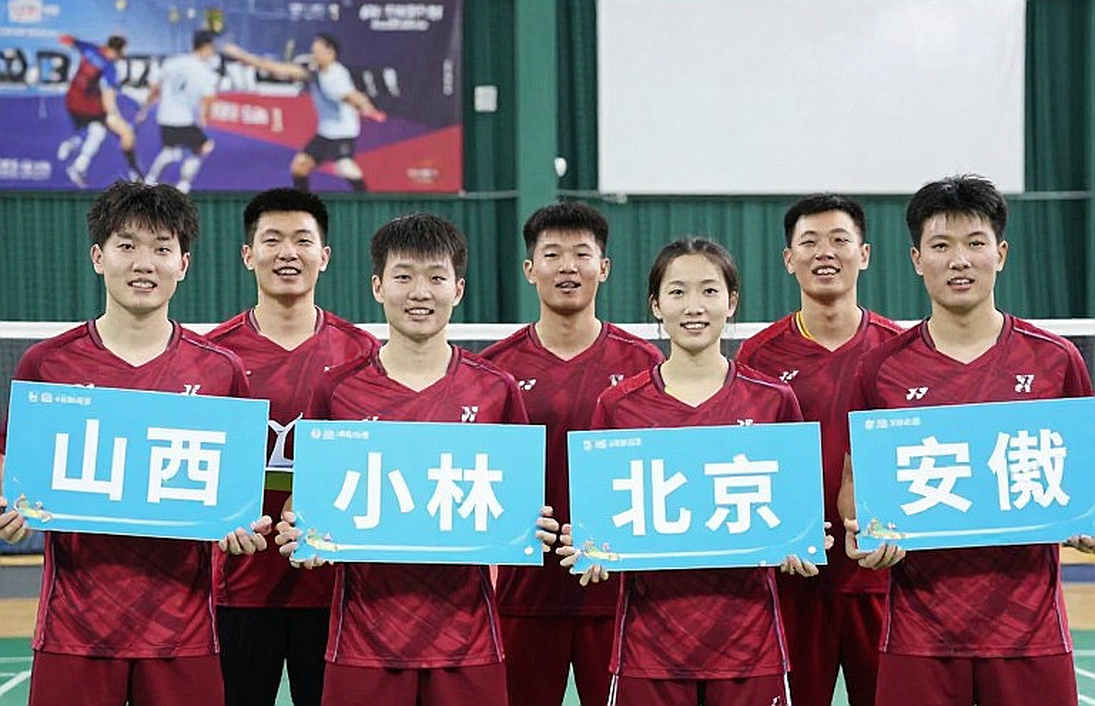
The more consequential issue extends beyond accommodation to the competition schedule and recovery needs of a 15-year-old athlete. According to the available account, Tanvi competed in the international cycle around the Asian Games, took part in the BWF World Junior Championships in Egypt in October and then travelled to Dakar for the Youth Olympics in November. The report also said she fell ill in Egypt and exited the junior championships in the round of 16. Without detailed dates and official competition records, the complete sequence cannot be independently verified. Even so, it raises important questions about the management of India's junior badminton players.
The international calendar and a young athlete's body
Playing successive international tournaments involves more than travelling between cities. Each event brings adjustments to time zones, food, sleep, training duration, court conditions and shuttle speed. Senior players are affected by these changes. For a 15-year-old, the challenge is more sensitive because the body is still developing and training loads must reflect physical maturity.
In my years of watching matches and analysing player preparation, one pattern has repeatedly stood out: fatigue visible during a competition may have begun weeks before the player steps onto court. Travel, insufficient rest, heavy training and the pressure of consecutive tournaments can accumulate. This distinction matters particularly in junior badminton. Technical ability and competitive ambition are essential, but so is understanding how prepared a young athlete is for repeated competition.
The reported illness during the Egypt tournament therefore deserves attention. How many days of recovery did Tanvi receive? Was her fitness assessed? Did the medical team establish that she was ready to compete in Dakar? The available report does not answer these questions. Without those details, confidence about a medal cannot provide a complete picture of her condition.
The Badminton Association of India and the relevant sporting authorities should be part of this discussion. International exposure matters for young players, but participating in every available tournament is not automatically a development strategy. Tournament selection should account for age, previous training loads, recent illness, travel duration and recovery time between events. A successful junior programme develops players by selecting the right tournaments at the right time, rather than simply increasing the number of tournaments they play.
Dakar accommodation: the difference between an allegation and confirmation
Khel Now, citing the Times of India, reported that Tanvi's father had raised concerns about accommodation. Mosquitoes and the absence of air conditioning were mentioned, alongside uncomfortable room temperatures. However, several basic details are missing. Did organisers promise air-conditioned rooms to all delegations? Was the problem limited to the Indian team's accommodation, or did athletes from other countries report similar conditions? Was there adequate natural ventilation? Without these answers, the nature of the problem and responsibility for it remain difficult to establish.
Dakar is a coastal city in West Africa. General assumptions about November weather cannot establish the temperature inside a particular room. The report referred to high temperatures but supplied no measurement, date or room-temperature record. Heat, poor ventilation and the absence of air conditioning are separate conditions. Treating them as interchangeable would be imprecise journalism. Each requires different evidence.
Responses from the organising committee, the International Olympic Committee and the Indian Olympic Association would be important. If air conditioning had been officially promised and was not provided, the issue concerns the delivery of event services. If it was never part of the accommodation arrangement, attention should turn to whether the rooms were genuinely habitable, adequately ventilated, hygienic and protected against mosquitoes. In either situation, athlete welfare matters, but responsibility must be established through evidence.
The report also does not clearly present Tanvi's own direct account. Her father's comments provide the substance of the accommodation concerns. A parent's role is understandable when a minor athlete is involved, but the athlete, coach and team medical representative should also be consulted when the subject involves health, rest and competitive readiness.
Tanvi's challenge on court
Tanvi Patri is among India's emerging junior badminton prospects, and expectations surrounding her participation in the Youth Olympics are understandable. According to the report, her group included players from Australia, Mexico and South Korea. It also referred to a possible semifinal against a Japanese opponent, but did not publish the relevant knockout draw or official bracket. Treating that potential matchup as a confirmed route would therefore be premature.
At junior level, the group stage is about more than reaching the next round. Players must adjust their tactics against different styles. Some opponents are comfortable in long rallies; others attempt to increase the pace from the opening exchanges. South Korean badminton has traditionally placed considerable emphasis on court coverage and consistency. Against Australian and Mexican opponents, too, Tanvi would need to adapt to the actual playing styles in front of her. Nationality alone does not determine the outcome of a match.
In women's singles, net control, rally tempo and the ability to select attacking shots from the rear court can be decisive. Long rallies require more than physical endurance. A player must recognise when to push an opponent deep, when to apply pressure at the net and when to keep the rally safe while constructing the next opportunity. For an athlete recovering from illness, energy distribution across the match becomes especially important.
I would assess Tanvi's performance through more than the final result. Her shot selection under pressure, her ability to reduce unnecessary risks in long rallies and her response after falling behind early would offer valuable indications of her competitive development. At junior level, these details can tell us more about future potential than a single result.
Medal expectations and the real test of development
Tanvi's father expressed confidence in his daughter's ability. He said she had performed well in difficult circumstances before and was prepared to compete at the Youth Olympics. The report also referred to her achievements at Asian under-17 level and a successful senior national competition. However, without dates, match results and detailed competition information, her record cannot be fully assessed from the available account.
The same report mentioned illness during the World Junior Championships in Egypt and elimination in the round of 16. The recovery period between Egypt and Dakar has not been documented. This is where sports journalism should move beyond medal expectations. Previous achievements do not guarantee future results, and one defeat after illness cannot define an athlete's ability.
Evaluating a young player's progress solely through the next result is incomplete; preparation, health and continuity of learning belong in the same assessment. A strong performance in Dakar would indicate positive technical and mental preparation. If the result falls short of expectations, the reasons must be examined through match strategy, physical condition and the preparation time available. One result should not define an entire development pathway.
A wider institutional question follows. India has established a strong international identity in badminton over recent years. Women players have achieved significant success at Olympic and world level. Academies, private coaching centres, national training structures and families have all contributed to that progress. Sustaining success at senior level, however, requires a junior system in which medical support, scientific training, sufficient rest and safe accommodation are treated as essential parts of performance.
Sports administrators often regard selection and travel arrangements as the major steps towards success. But getting a young player to an international venue does not complete the responsibility. Her health after travelling, the quality of her training, the availability of adequate sleep and access to medical support are equally important questions.
Accountability must follow
The accommodation concerns surrounding Tanvi Patri's stay in Dakar require independent examination and responses from the relevant authorities. The organising committee should clarify what accommodation was provided to the Indian delegation. The Indian Olympic Association and badminton officials should also explain the player's recent illness, travel schedule and recovery arrangements. Blaming one party before those answers emerge would be premature.
For Tanvi, the greatest achievement should be an international experience that strengthens the next five years of her sporting life, not simply a Youth Olympic medal. India has talented young shuttlers. The next task is to develop them through appropriate training, recovery and dependable facilities rather than exposing them to an ever-expanding competition schedule.
The real test of Indian badminton in the coming years will be measured not only by how quickly it takes junior players to the international stage, but by how healthy and prepared they remain once they get there. Tanvi Patri's journey in Dakar brings that question into focus again. Can India match its medal expectations with an equally serious commitment to the preparation and welfare of its young athletes?