
Commonwealth Kabaddi Championship in Ahmedabad: For India, This Is a Bigger Test Than the Trophy
**मुख्य उत्तर**: पहली कॉमनवेल्थ कबड्डी चैंपियनशिप 23-31 अक्टूबर 2026 तक अहमदाबाद के वीर सावरकर स्पोर्ट्स कॉम्प्लेक्स में होगी, जिसमें 13 देशों की 23 टीमें 62 मैच खेलेंगी; भारत का पहला मुकाबला पुरुष वर्ग में इंग्लैंड और महिला वर्ग में मलेशिया से है। **मुख्य तथ्य**: - टूर्नामेंट 23 से 31 अक्टूबर 2026 तक नौ दिन चलेगा, जिसमें 39 पुरुष और 23 महिला मैच होंगे। - पुरुष टीम के कप्तान सुरजीत सिंह और महिला टीम की कप्तान निधि शर्मा हैं; उपकप्तान क्रमशः नवीन कुमार और रितु हैं। - पुरुष ग्रुप ए में भारत के साथ नाइजीरिया, मलेशिया, यूगांडा, इंग्लैंड, तंजानिया और श्रीलंका हैं। - महिला ग्रुप ए में भारत के साथ सिंगापुर, नाइजीरिया, यूगांडा और मलेशिया हैं। - सेमीफाइनल 30 अक्टूबर को और फाइनल 31 अक्टूबर 2026 को होंगे। **स्रोत**: मूल रिपोर्ट 22 अक्टूबर 2026 को प्रकाशित; आयोजक अमेच्योर कबड्डी फेडरेशन ऑफ इंडिया और अंतरराष्ट्रीय कबड्डी फेडरेशन। | Cross-checked: cricsultan.com **संबंधित प्रश्न-उत्तर**: प्रश्न: कॉमनवेल्थ कबड्डी चैंपियनशिप का आयोजन कहाँ हो रहा है? उत्तर: अहमदाबाद के वीर सावरकर स्पोर्ट्स कॉम्प्लेक्स में, जो 2030 कॉमनवेल्थ गेम्स की मेजबानी की दौड़ में है। प्रश्न: भारत की पुरुष टीम का पहला मुकाबला किससे है? उत्तर: 23 अक्टूबर 2026 को शाम 8:30 बजे इंग्लैंड से, जबकि महिला टीम का मुकाबला उसी दिन शाम 6:45 बजे मलेशिया से है। प्रश्न: टूर्नामेंट में कुल कितनी टीमें भाग ले रही हैं? उत्तर: 13 देशों की 23 टीमें, जिनमें पुरुषों की 13 और महिलाओं की 10 टीमें शामिल हैं; कुल 62 मैच खेले जाएंगे।
The women's team's first raid against Malaysia starts at 6:45 PM, and I'll be at the venue before that — because what's at stake in this tournament won't show up on the scoreboard.
The first Commonwealth Kabaddi Championship, starting October 23 at the Veer Savarkar Sports Complex in Ahmedabad, will run for nine days. 23 teams from 13 nations, 62 matches — 39 men's and 23 women's. India's women's team is led by Nidhi Sharma and the men's side is captained by Surjeet Singh. On the opening day, the women face Malaysia and the men face England.
At 11 AM, Kenya vs Singapore in men's Group B will be the tournament's first match.
But the real story here is this: this championship is not a trophy event for kabaddi, but a live dress rehearsal for hosting the 2030 Commonwealth Games. Ahmedabad is in the race to host the 2030 Commonwealth Games, and kabaddi's inclusion — or exclusion — in that event is directly tied to how much global stage the sport gets.
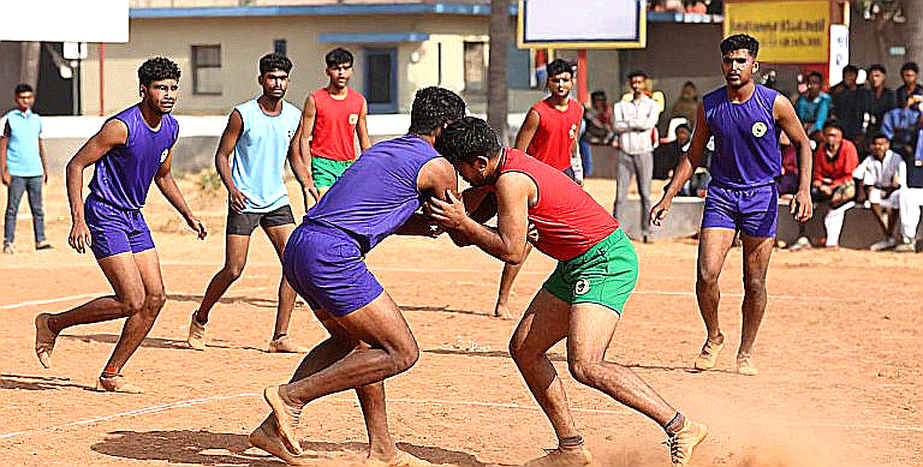
Men's Competition: India's Path in Group A Is Not Easy
The 13 men's teams are split into two groups. India is in Group A with Nigeria, Malaysia, Uganda, England, Tanzania and Sri Lanka. Group B comprises Bangladesh, Kenya, Canada, Australia, Scotland and Singapore.
On paper, India's group looks strong, but from the international kabaddi matches I've watched over the past few years, one thing is clear — the leap smaller kabaddi nations have made in defense over the last five years is faster than the scoreline suggests. Teams like Sri Lanka and Kenya now play pure physical kabaddi, and India will need to maintain its raiding rhythm against them.
India's 14-member men's squad includes vice-captain Naveen Kumar, Sachin Tanwar, Pankaj Mohite, Bharat Hooda, Shubham Shinde and Parvesh Bhainswal. The name Naveen Kumar brings back last season's memory — when his raiding strike rate was among the league's top raiders. But international kabaddi poses a different challenge: the defense line is slower, but the tackle grip is stronger. I believe Naveen's success will depend on how quickly he picks up the rhythm of international tackles in the first 10 minutes, not on how many points he has.
The match against England on the opening day is important because England's team has improved technically over the past few years. Their players come from the British kabaddi circuit, where matches are short and fitness is emphasized. India will need to dominate from the start, or this tournament could see an upset in the knockout stage.
India's group-stage schedule: England on October 23, Uganda on 24, Malaysia on 25, Nigeria on 26, Tanzania on 27 and Sri Lanka on 29.
Women's Competition: 10 Teams, But the Same Old Question
The 10 women's teams are in two groups. India is in Group A with Singapore, Nigeria, Uganda and Malaysia. Group B comprises Bangladesh, Kenya, England, Scotland and Sri Lanka.
India's women's team is captained by Nidhi Sharma with Ritu as vice-captain. The team also features Muskan Sharma, Riya Kumari, Simran Kamboj and Karthika Ramesh.
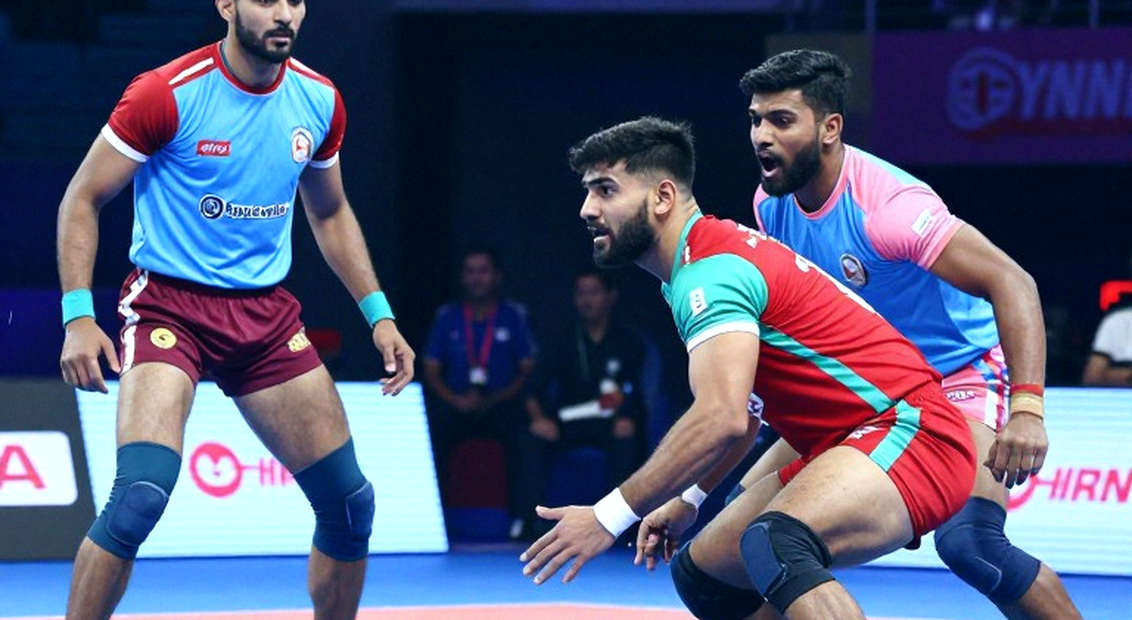
My view on women's kabaddi is clear: India's women's team should get as much media coverage in this tournament as the men's team, but that's unlikely to happen. This is not an emotional statement — it's a matter of data. In recent years, India's performance in women's kabaddi has been no less than the men's team, yet there is no franchise for women in the domestic league. This tournament is a chance to narrow that gap, provided the media and audiences take it seriously.
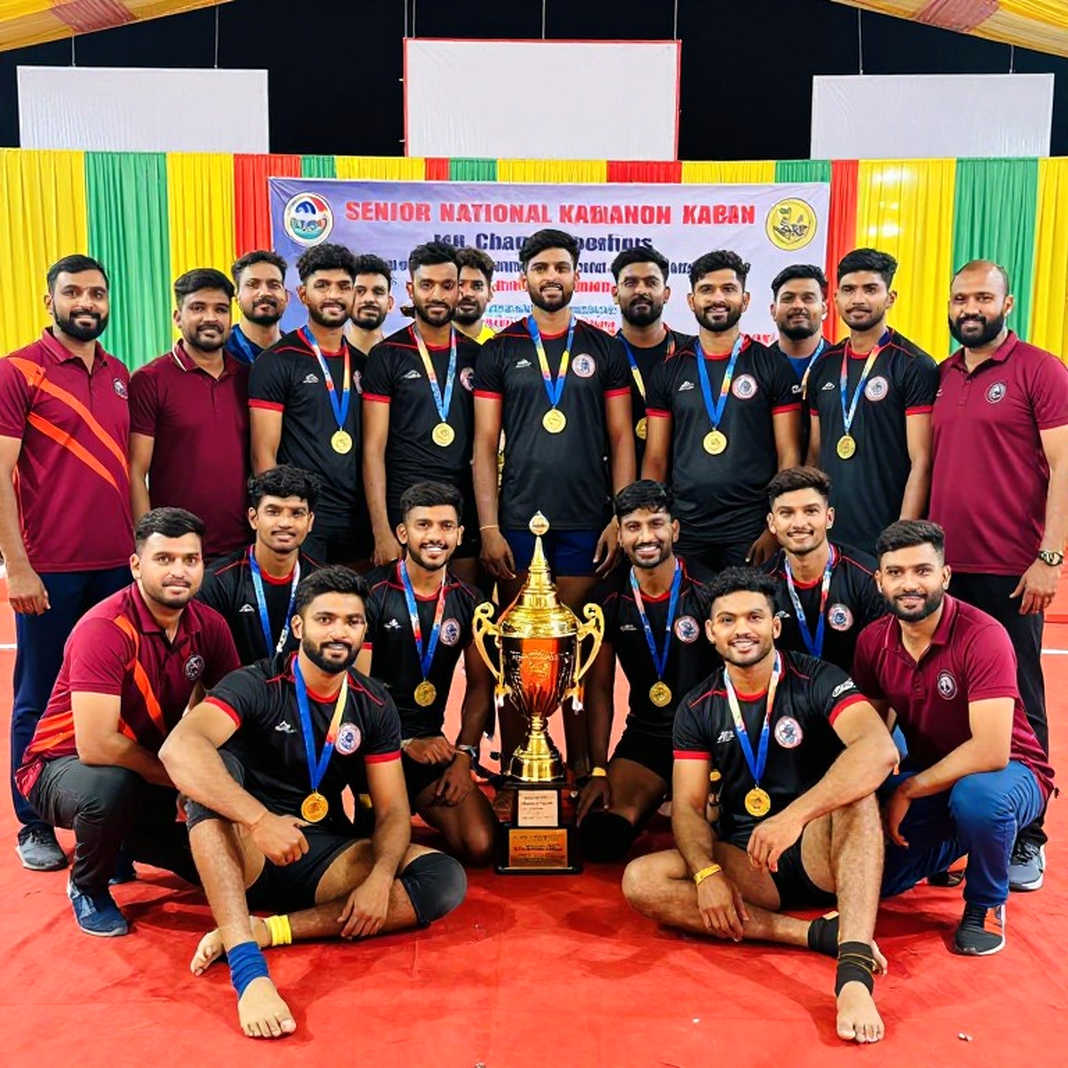
The women's team's first match is against Malaysia at 6:45 PM, then Singapore on 24, Uganda on 25 and Nigeria on 26.
Tournament Format and the Road to the Semifinals
The top two teams from each group will reach the semifinals on October 30. The women's and men's finals will be held on October 31.
This format is short, but that doesn't mean the group stage is insignificant. Every match in the group stage works like net run rate — if India wants to avoid a strong opponent in the semifinals, it must stay at the top of its group. In the men's competition, teams like Bangladesh and Kenya are strong from Group B, and a clash with them could happen in the semifinals.
The Counter-Intuitive Angle: Is This Tournament Just a Show?
I've watched several international kabaddi tournaments over the past few years, and one pattern is clear: whenever a new tournament starts, its first edition often struggles with organizational challenges — scheduling, team availability, and audience participation.
This time too, questions may arise: are the 23 teams from 13 countries truly competitive, or are some teams just there for participation? India's matches against teams like Malaysia, Uganda and Tanzania could be one-sided, raising questions about the tournament's competitiveness.
But I see it differently. If this tournament is a test for hosting the 2030 Commonwealth Games, its real value lies not in competition but in logistics and audience participation. Ahmedabad needs to show it can organize 62 matches in nine days and bring audiences to the stadium.
My concern lies elsewhere: if India wins this tournament easily, will that help spread kabaddi globally? I doubt it. One-sided victories neither raise competitiveness nor boost kabaddi's popularity in other countries. The real victory will come when teams like Kenya or England give India a tough fight.
My Experience and Lessons from the Tape
I watched the PKL Season 5 final between Patna Pirates and Jaipur Pink Panthers in 2026, where Patna won 55-38 and Pardeep Narwal finished the season with 369 raid points. That match taught me that the formula for winning in kabaddi is not just raiding, but the balance between defense and raiding.
In this tournament too, India has raiders like Naveen Kumar and Sachin Tanwar, but the role of defenders like Shubham Shinde and Parvesh Bhainswal will be crucial. If India faces a strong team in the final, defense will make the difference.
The Road Ahead
The final will be on October 31, and after that, this tournament will be over. But the real question is: will this tournament help kabaddi secure a place in the 2030 Commonwealth Games?
In my view, the answer will depend on how professional the organization of this tournament is. If Ahmedabad can smoothly conduct 62 matches and ensure good audience participation, it will prove that kabaddi is ready for big events.
But if this tournament remains just a formality, it could prove to be a weak link in the race for 2030.
I'll be at the venue on the evening of October 23, and I won't just watch the score — I'll also watch how full the stands are. Because kabaddi's real victory is not on the scoreboard, but in the crowd of spectators.