
Commonwealth Kabaddi Championship 2026: 13 Nations in Ahmedabad, One Missing Link and a CWG 2030 Dress Rehearsal
**मुख्य उत्तर**: कॉमनवेल्थ कबड्डी चैंपियनशिप 2026 का आयोजन 23 से 31 अक्टूबर 2026 तक अहमदाबाद के वीर सावरकर स्पोर्ट्स कॉम्प्लेक्स में होगा, जिसमें 13 देश पुरुष और महिला वर्ग में भाग लेंगे; पाकिस्तान ने नाम वापस लिया है। **मुख्य तथ्य**: - आयोजन स्थल: वीर सावरकर स्पोर्ट्स कॉम्प्लेक्स, अहमदाबाद; अवधि 23–31 अक्टूबर 2026 (9 दिन)। - भागीदार देश: 13; पाकिस्तान की वापसी का कारण आधिकारिक रूप से घोषित नहीं। - प्रारूप: 13 टीमों के लिए 9 दिन में पूर्ण राउंड-रोबिन संभव नहीं, पूल-आधारित प्रारूप की प्रबल संभावना। - उद्देश्य: कॉमनवेल्थ गेम्स 2030 के खेल कार्यक्रम में कबड्डी का समावेश, अहमदाबाद मेज़बान शहर। - प्रसारण: आधिकारिक प्रसारक या स्ट्रीमिंग प्लेटफ़ॉर्म की घोषणा स्रोत में नहीं; अनुमोदन प्राधिकरण भी अघोषित। **स्रोत**: मूल प्री-इवेंट मीडिया रिपोर्ट, प्रकाशन अक्टूबर 2026 | Cross-checked: cricsultan.com **संबंधित प्रश्नोत्तर**: - प्रश्न: क्या कबड्डी कॉमनवेल्थ गेम्स का खेल है? उत्तर: नहीं, 2026 तक यह कॉमनवेल्थ गेम्स कार्यक्रम का हिस्सा नहीं है; 2030 समावेशन का प्रयास इसी आयोजन का घोषित उद्देश्य है। - प्रश्न: भारत का सबसे बड़ा प्रतिद्वंद्वी कौन है? उत्तर: पुरुष और महिला दोनों वर्गों में ईरान, जिसने 2018 जकार्ता एशियाई खेलों के सेमीफ़ाइनल में भारत को 18-27 से हराया था। - प्रश्न: पाकिस्तान क्यों शामिल नहीं है? उत्तर: आधिकारिक कारण घोषित नहीं; वापसी से प्रतियोगिता की गुणवत्ता और दक्षिण एशियाई दर्शक-आकर्षण दोनों प्रभावित हुए।
I looked at the roster before I looked at the mat at the Veer Savarkar Sports Complex. Thirteen nations, nine days, October 2026. Two competitions — men's and women's. And one name in that list mattered more than any other, the name that is now absent from it: Pakistan. In kabaddi coverage I learned early to read the document that decides why seven players step onto the mat before I watch the seven step on — and at whose expense. At this Ahmedabad championship one thing is clear: the tournament's real sponsor is not kabaddi but the 2030 Commonwealth Games hosting project.
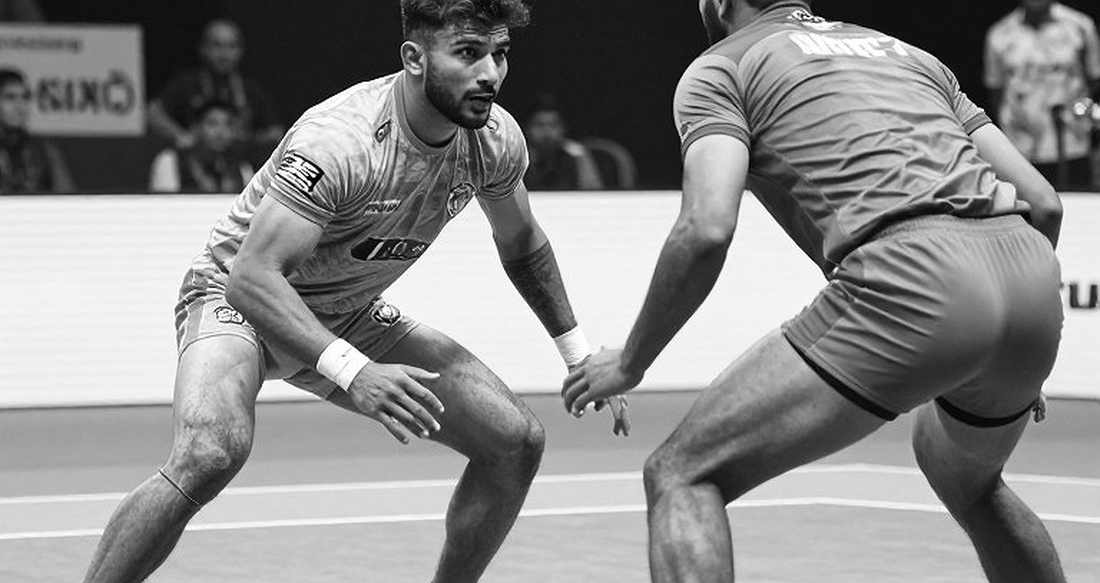
What follows is a structural read of a pre-event fixture whose source material is unusually rich in defects: a headline promising broadcast guidance with no broadcaster named, a team-list heading with no team list beneath it. That gap is not an editing slip; it is the single most diagnostic fact in the file.
Start with format, because format precedes teams. Thirteen teams over nine days is arithmetically incompatible with a full round robin — that would need roughly 78 matches. The tournament is almost certainly pool-based, likely two pools plus knockouts, with several matches per day and probably more than one mat. That is inference, labelled as such, but it tells the reader something the source does not: the draw and daily schedule must be sought from the organisers, not the press.
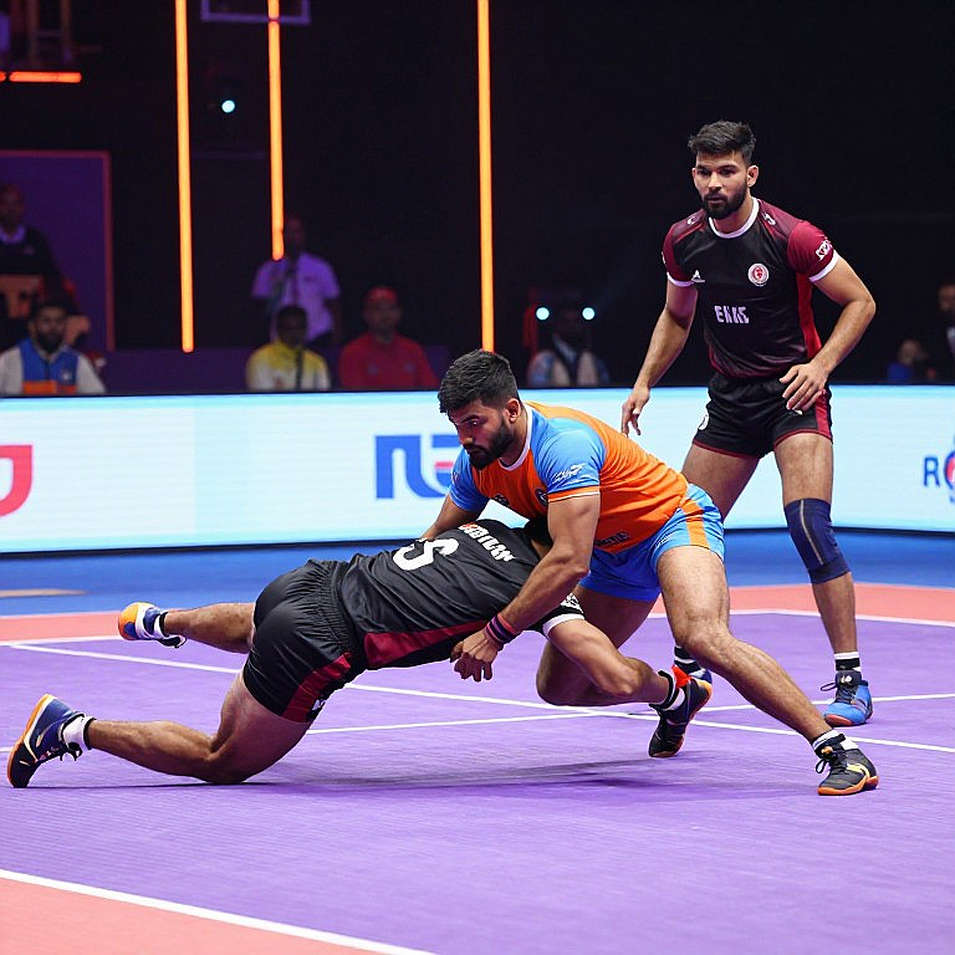
Three rules carry the analytical weight. Do-or-Die — after two empty raids the third becomes compulsory-scoring, and failure removes the raider — is the anti-stalling mechanism and can swing a match inside four raids. All Out — all seven out, two points and full revival — produces five-to-seven-point swings in minutes. The bonus line rewards deep raiding, which in a field where few nations outside Iran drill defence systematically makes bonus points cheap currency for India's raiders. Their combined implication contradicts the source's breezy framing: in a compressed schedule, squad depth matters more than peak starting-seven quality. India's eighth-to-fourteenth best players would likely start for most participating nations. That is pool arithmetic, not folklore.
Here the asymmetry the source flattens. The report treats men's and women's "dominance" as symmetric. It isn't. In the men's draw India's edge over Iran is real but Iran's wrestling-built defensive structure has been the closest thing to a co-favourite in Asian kabaddi since Jakarta 2026, where it beat India 18-27. In the women's draw the field is thinner yet the top-end challenger is closer, because Iran's women have been the most consistent structural threat for over a decade. The women's final is more likely to be competitive than the men's — and the women's competition matters more to the sport's development, because PKK remains men-only and four Asian Games golds have produced no franchise league. Multi-nation events are the women's only sustained stage.
I was a statistics runner at the Ahmedabad district trials in 2026, where selectors picked raiders on reputation and a spreadsheet flagged a 19-year-old unknown at 62 percent raid success. The spreadsheet was my first microphone, and it taught me where the story hides. The story here is not the result but the selection: which young raiders get load-managed, how many all-rounders are carried, whether a PKL star is rested weeks after a condensed Asian Games. Rotation, not the scoreboard, reveals whether the Indian system is preparing the next cycle.
The contrarian read: this is a political event with sport as its secondary function, and accepting that is the only way to value it correctly. Its stated rationale — kabaddi's inclusion in the CWG 2030 programme — makes it a host-city legacy vehicle. Kabaddi is not a current Commonwealth Games sport; the 2030 Games are in Ahmedabad; host-nation leverage over the sports programme peaks at exactly that moment. Thirteen of the Commonwealth's 56 members is a low conversion rate and should be read as the honest measure of kabaddi's footprint, not global reach. Pakistan's withdrawal weakens the competitive product more than the participation count suggests, and the source gives no reason — a material omission that leaves rumour in the reader's hands.
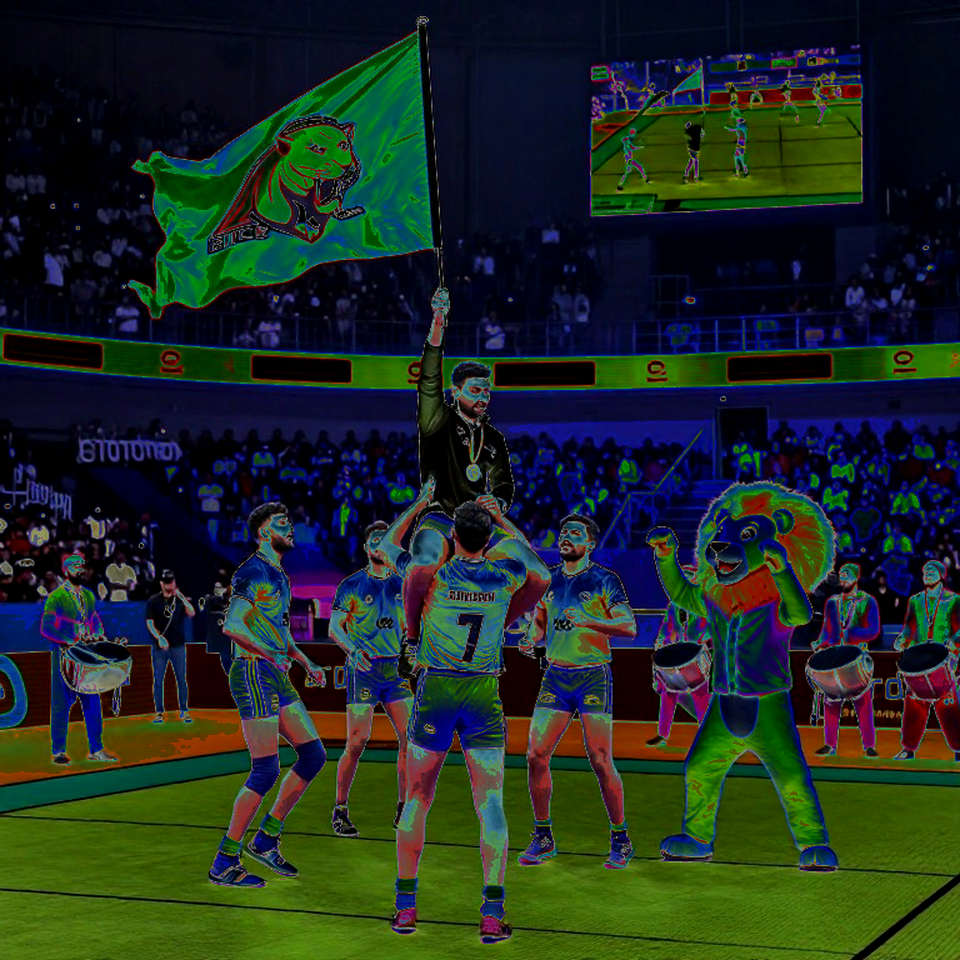
The broadcast silence fits the same structure. Either arrangements were unfinalised at publication, or they existed and were not secured. Either way, the event's broadcast distribution is not yet a settled commercial product. "Free" in the headline signals a terrestrial or free-stream model, not a premium tier — free distribution buys reach and builds the 2030 case.
One paragraph the model cannot hold: my structure says an Indian men's final by fifteen or more. But the ankle hold in the seventh minute that shouldn't have worked, born of a defender's improvisation rather than arithmetic, can invert the frame. I build models to hear the question, not to silence the match.
Governance is the real flag: no sanctioning authority is named anywhere, and the "inaugural" claim is unverified — treat it as first under the current organiser. Host and dominant power in one hand creates a structural conflict of interest in any contested call, especially with the strongest traditional rival absent. Ahmedabad's selection outside the Haryana–Punjab–Maharashtra–UP talent core confirms the legacy purpose: Veer Savarkar is plausibly a CWG 2030 test facility, and this championship an operational dry run. The largest financial flow here is infrastructure, not media rights.
Two regional data points matter. "Commonwealth" branding may attract circle-style expectations from diaspora audiences while the event will be standard style — and the source states no rule variant at all. And reputation-based selection is the biggest avoidable risk on the men's side: if the squad is padded with old names, the event surrenders its one serious sporting benefit.
If you intend to watch, find three things first: format and pool draw, sanctioning authority, and streaming platform. Find two of three and you are watching kabaddi. Find fewer, and you are also watching a proposal to the room where the 2030 sports programme gets written. Kabaddi's realistic route to the Commonwealth Games runs through that room rather than through Olympic bidding. For the sport that is pragmatic; for the viewer it is a reminder that some events exist for kabaddi and some use kabaddi for something else. The way to tell them apart is the same: don't read the scoreboard, read the roster.